Image 1 of 8
Image 3 of 8
Image 4 of 8
Image 5 of 8
Image 6 of 8
Image 7 of 8
Image 8 of 8
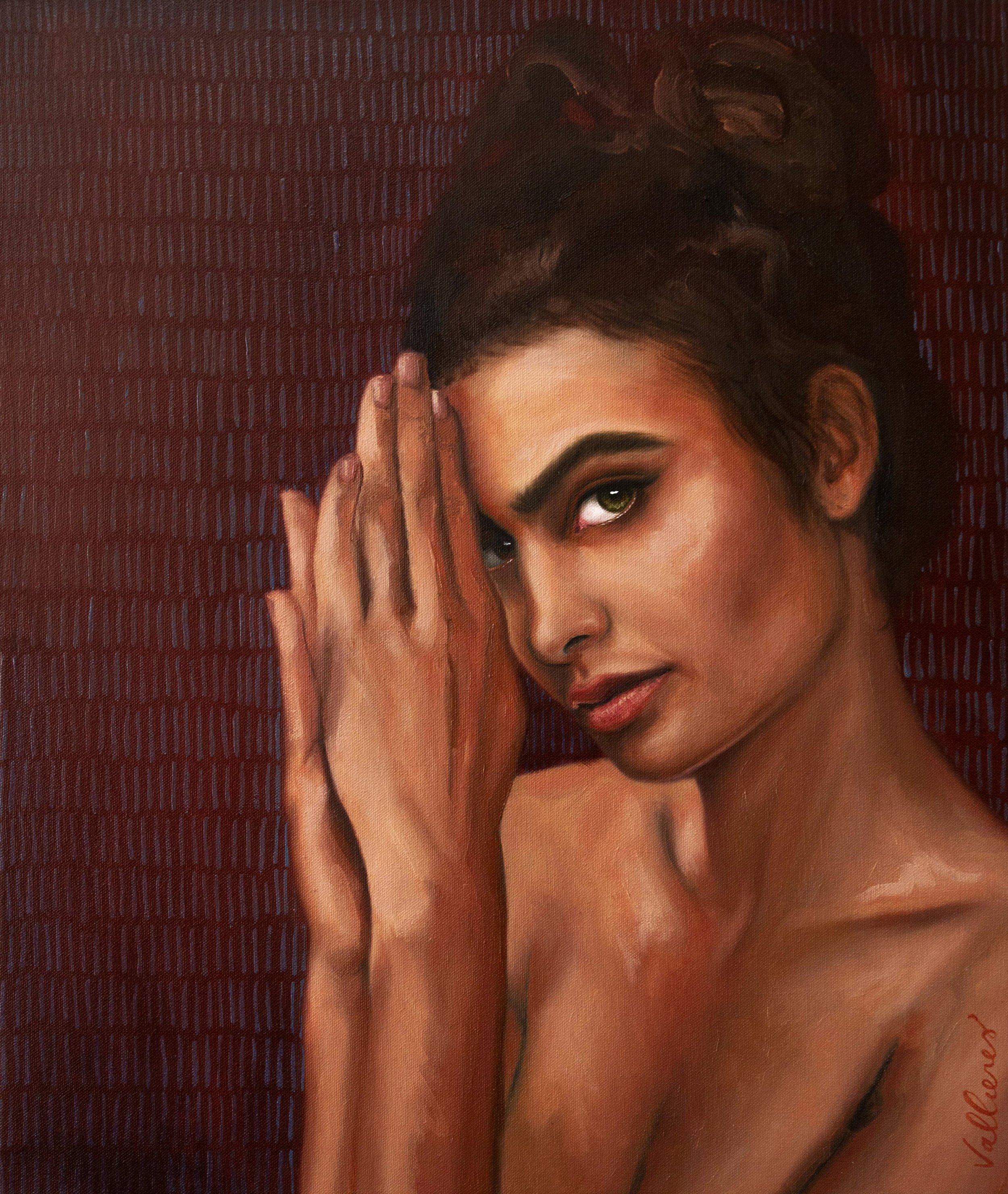
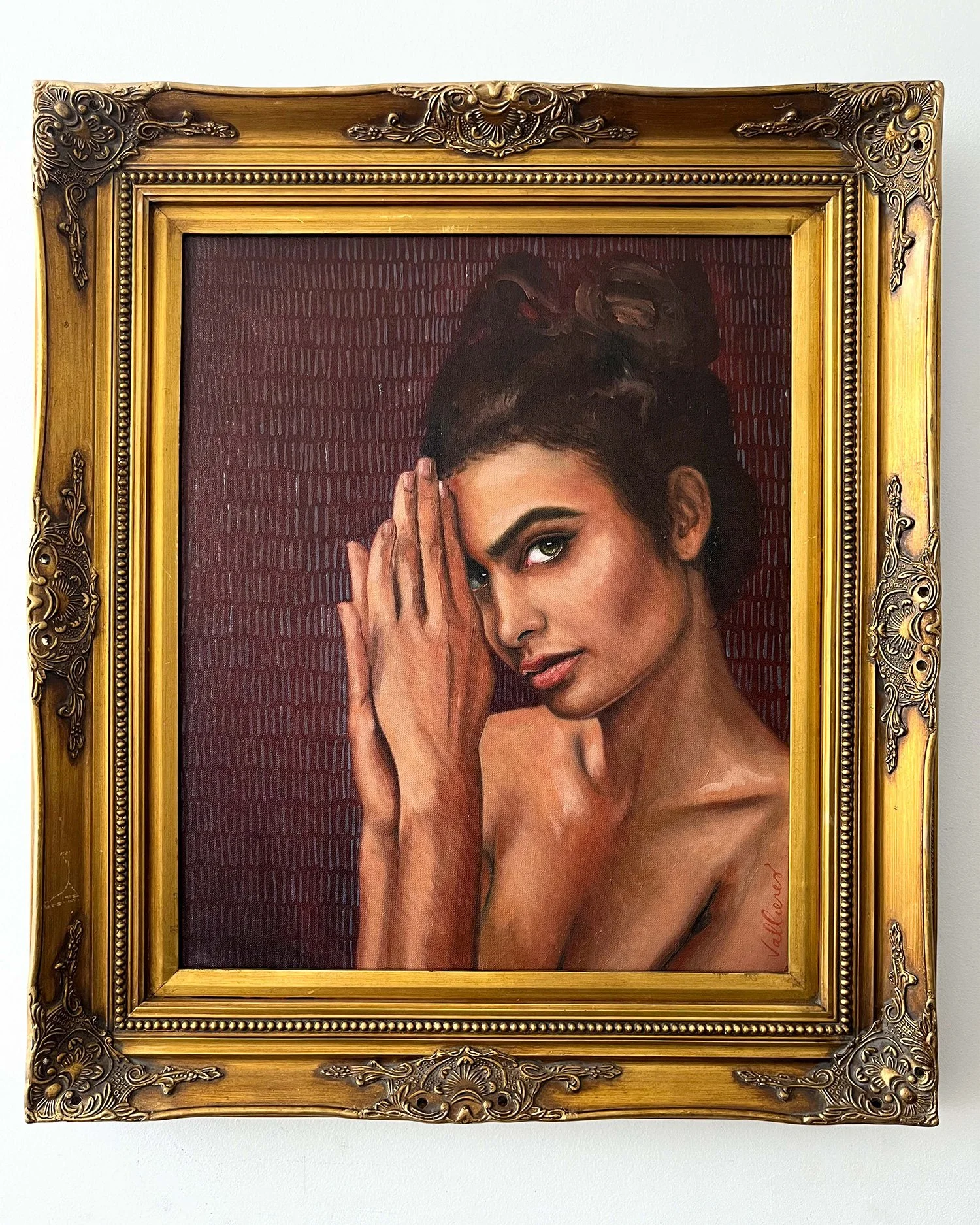
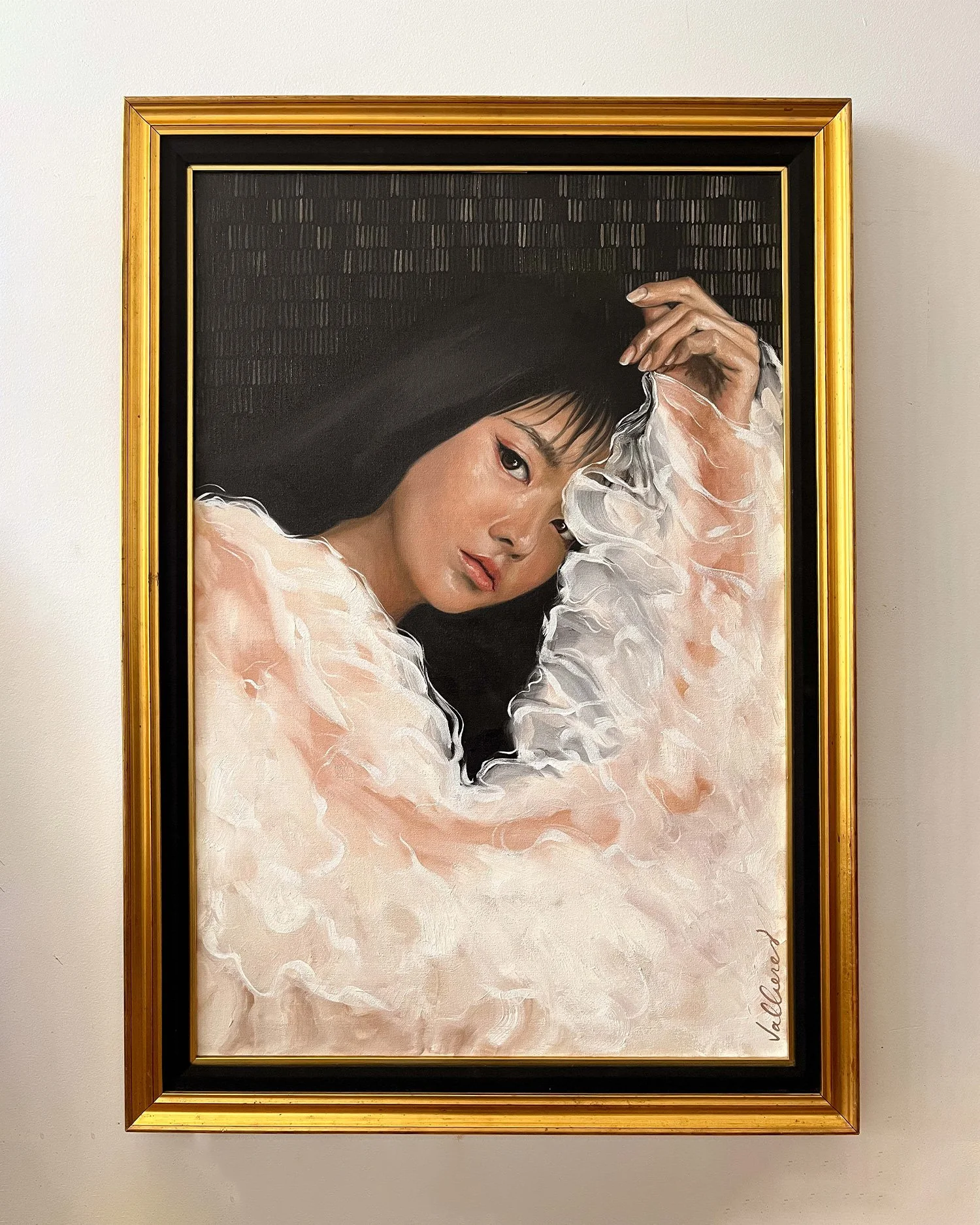
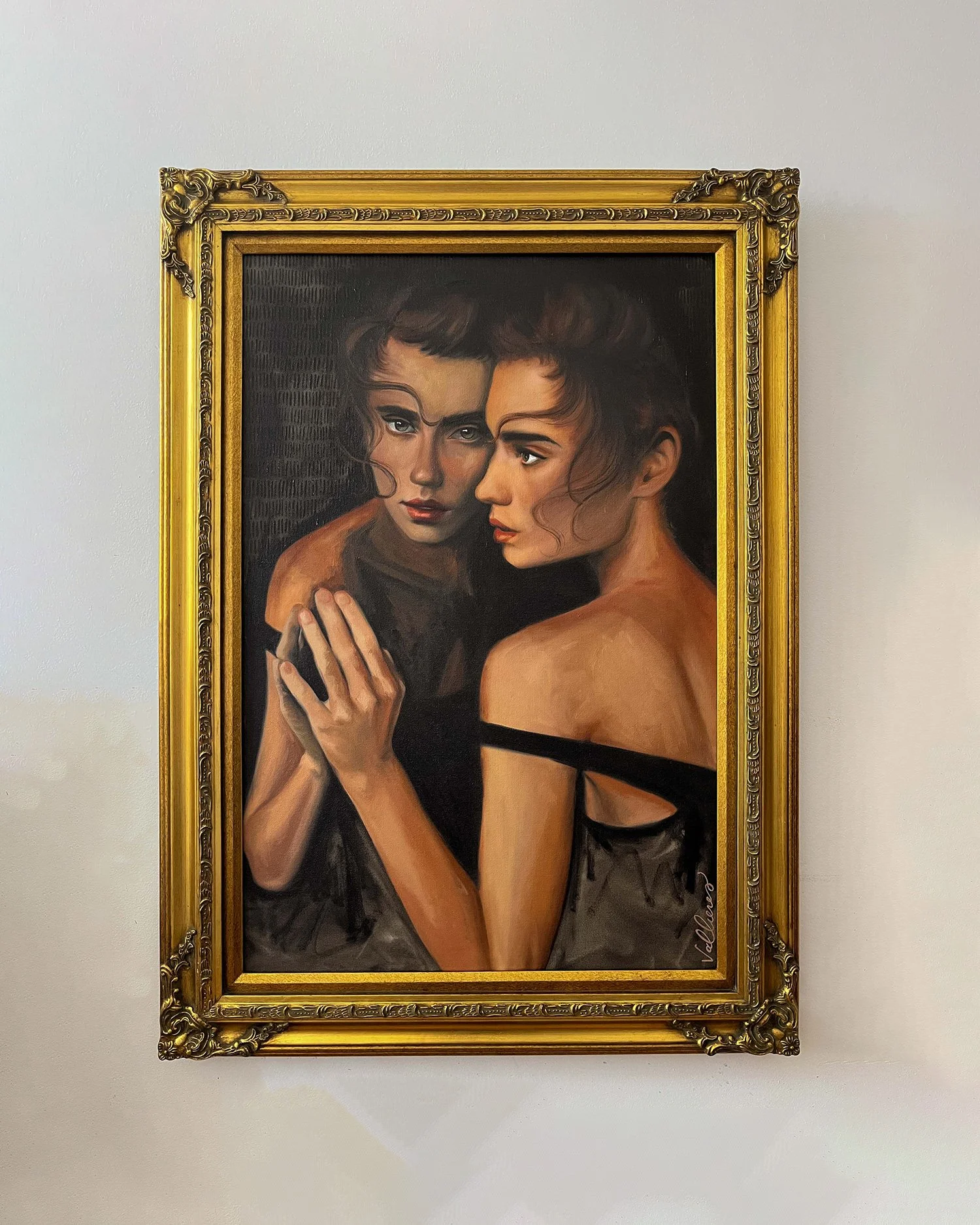
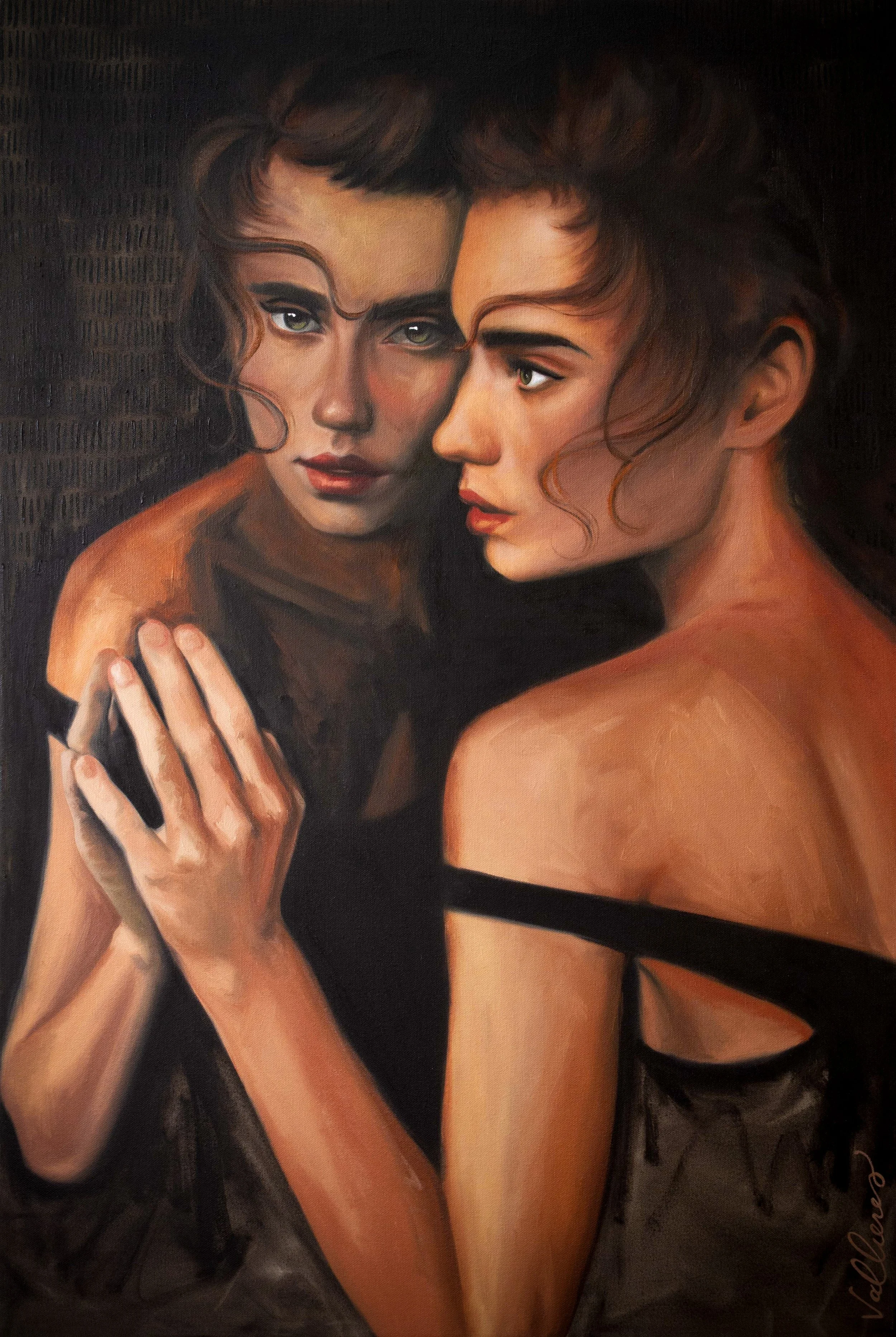
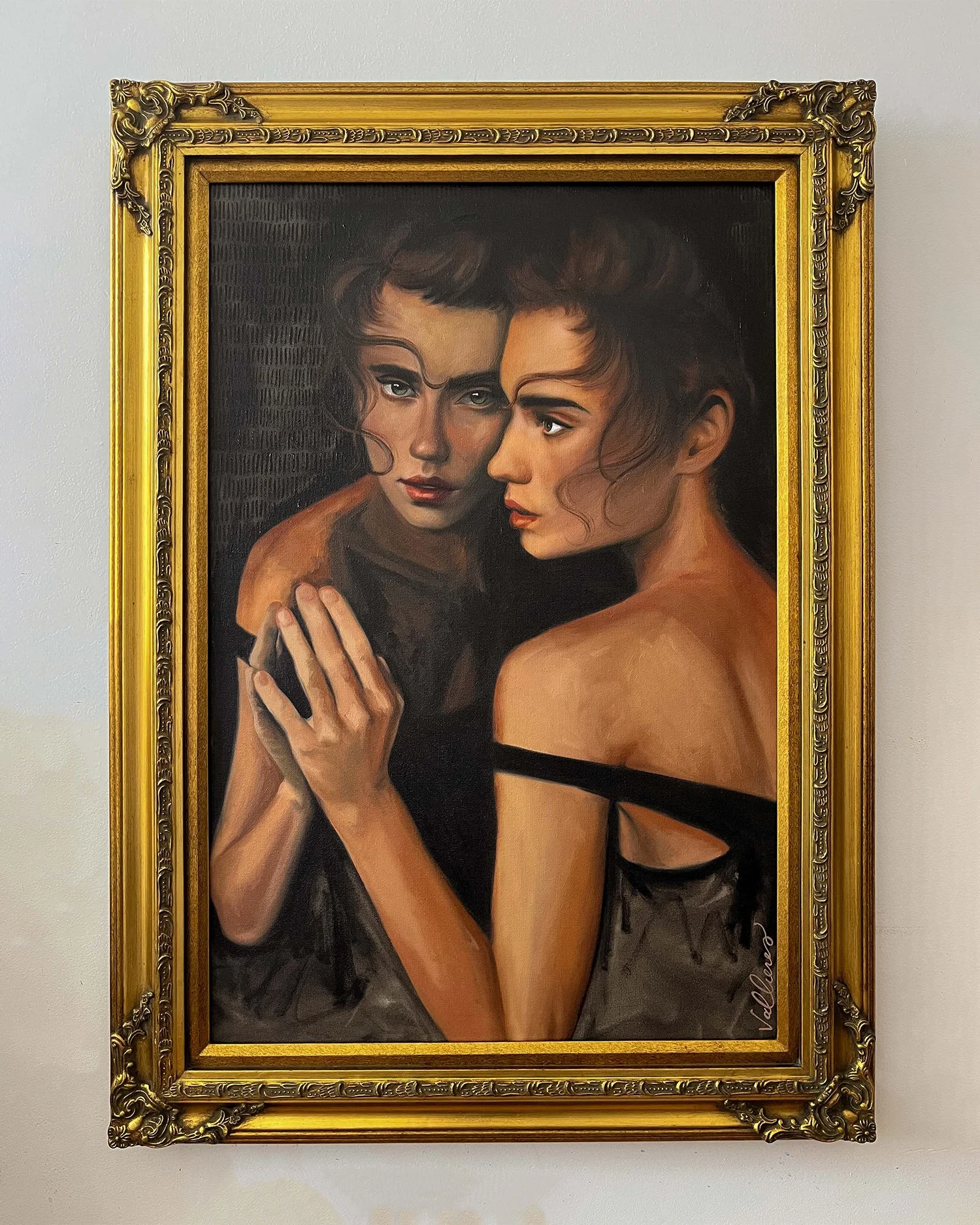
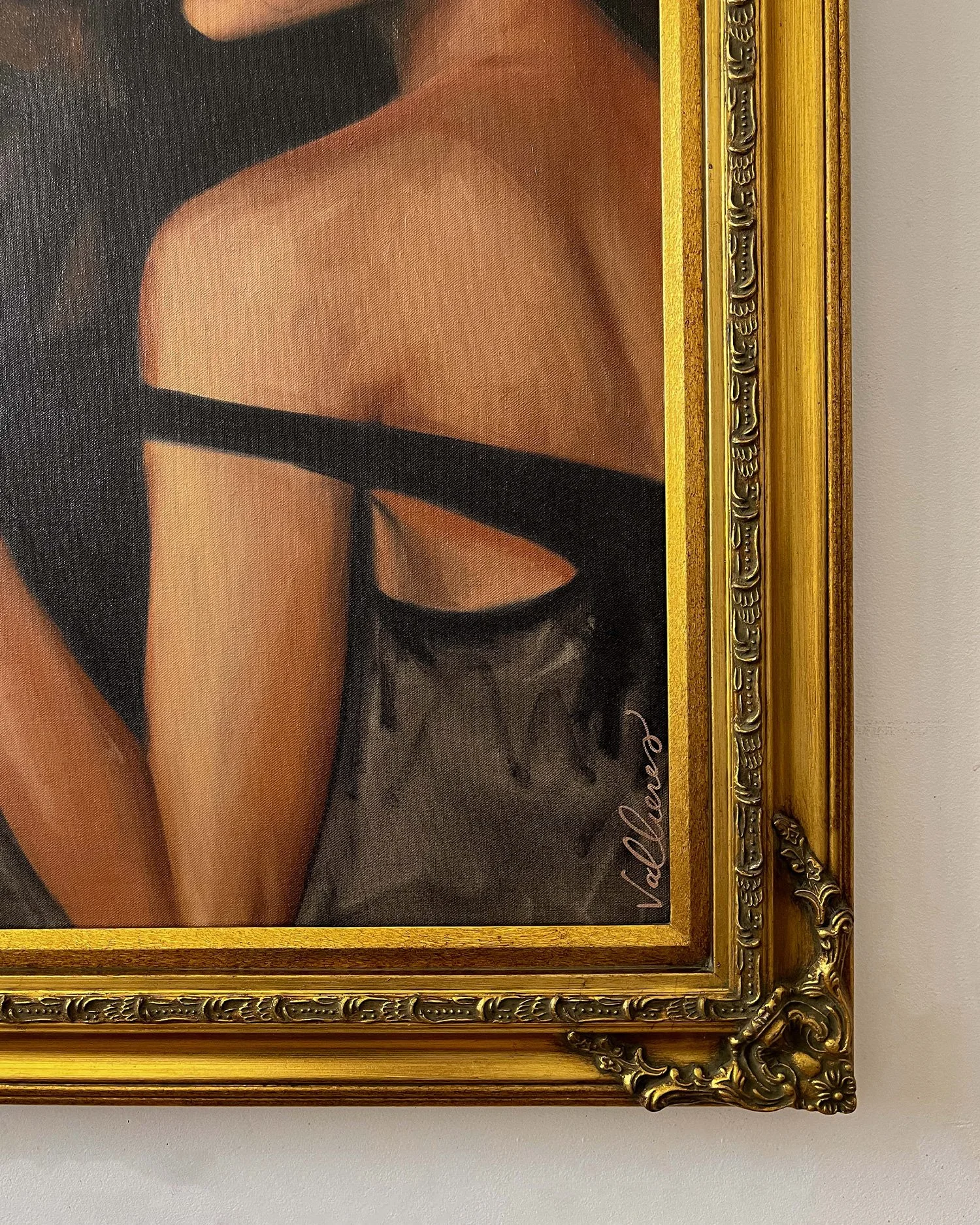
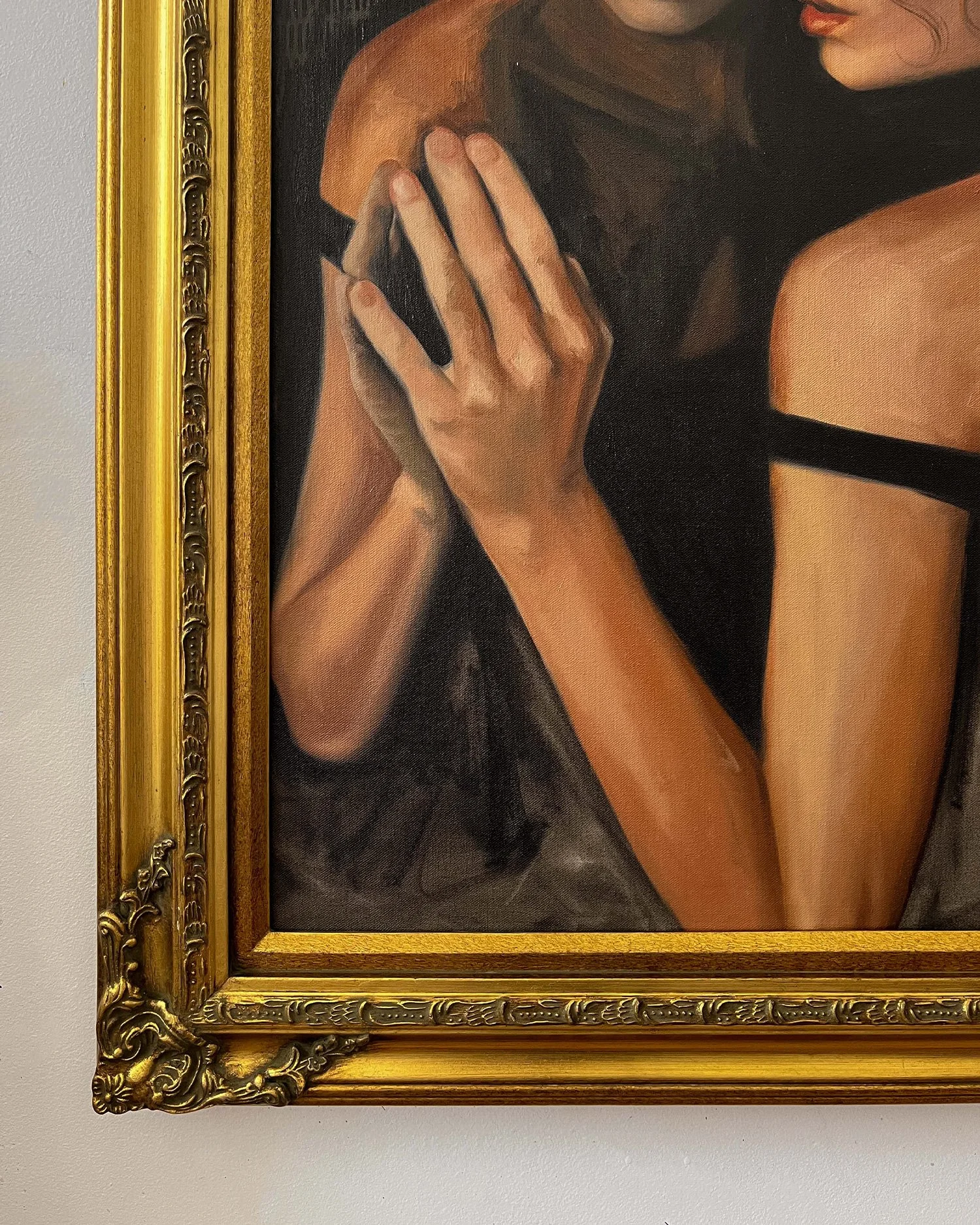
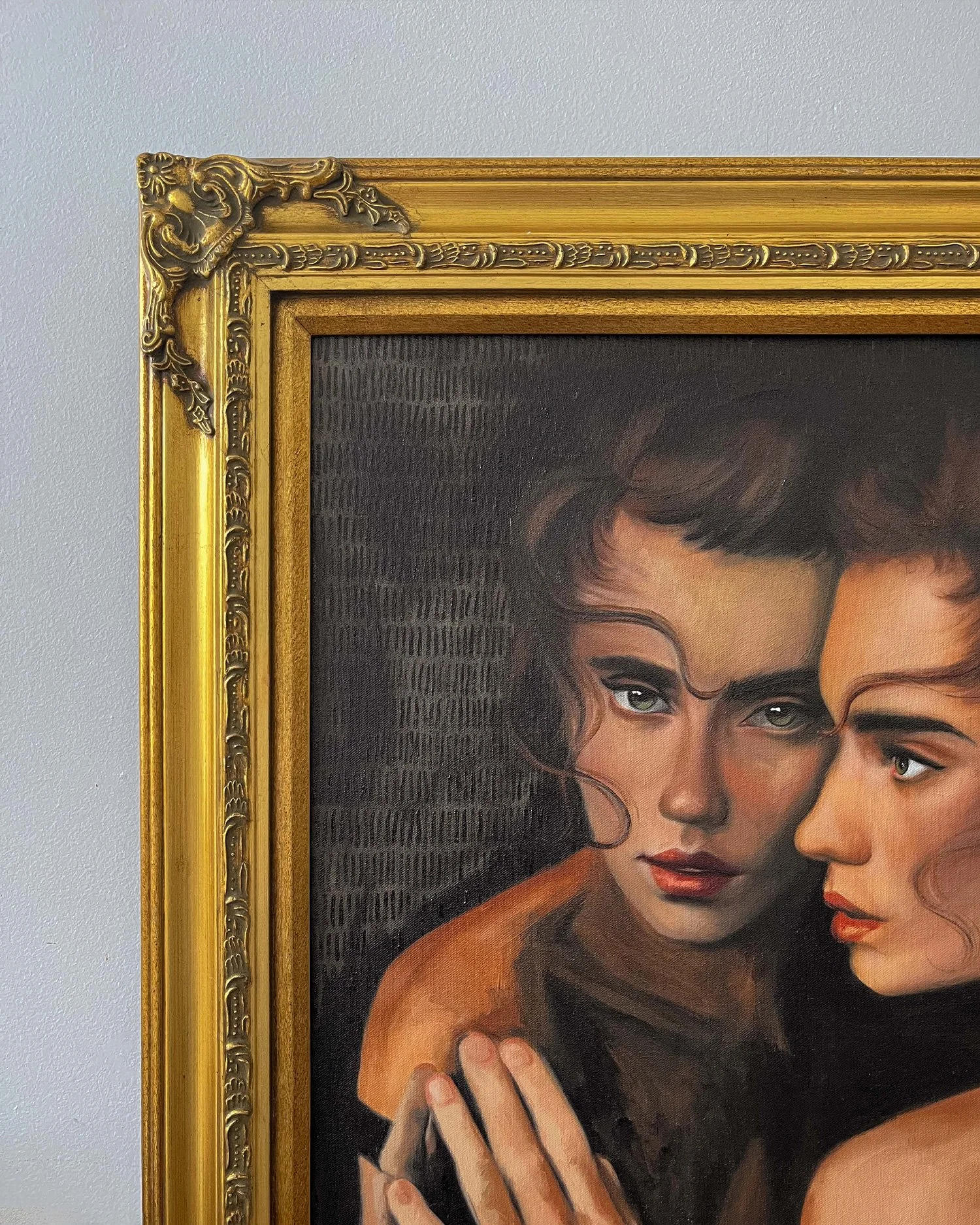
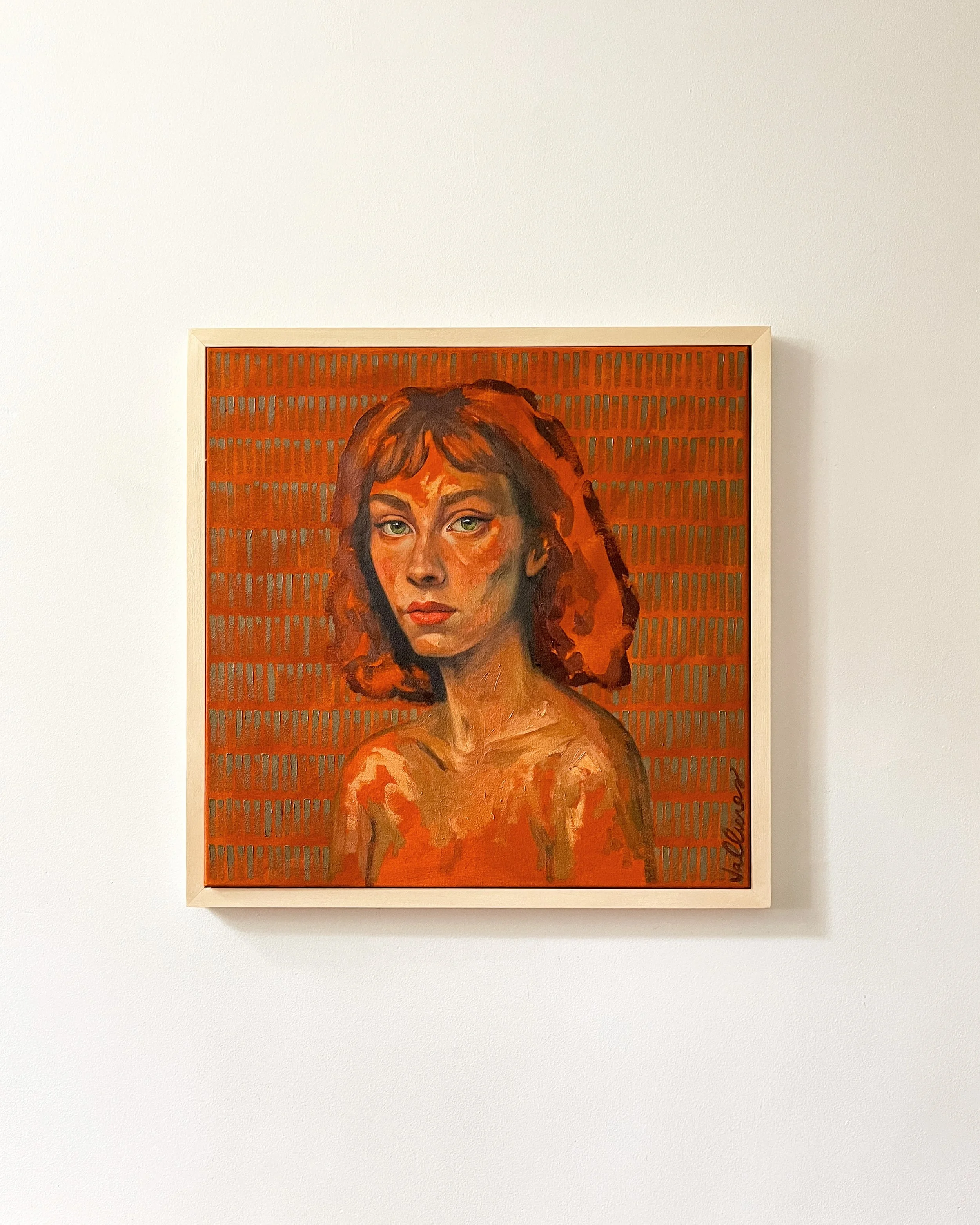
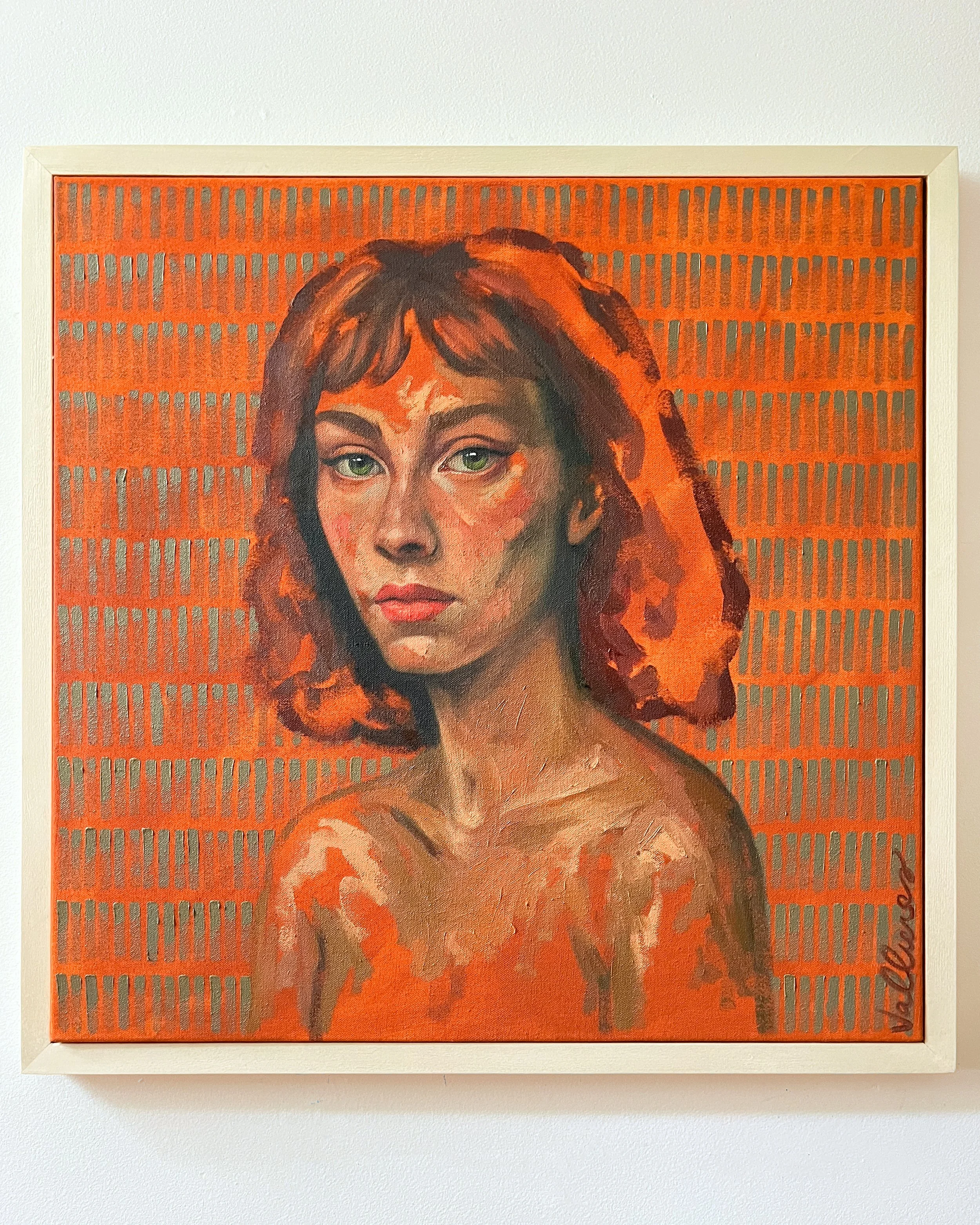
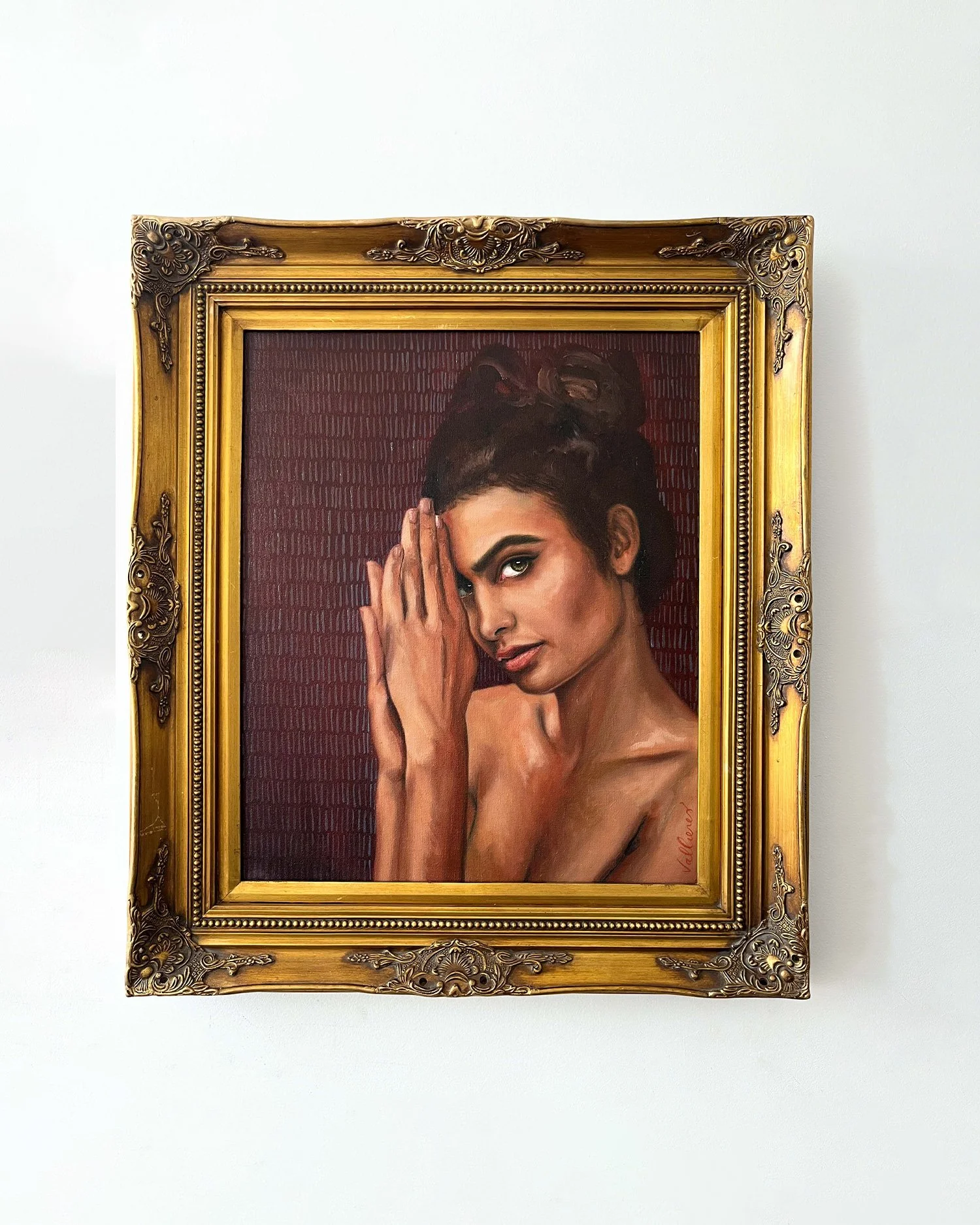
She Who Knew (after Mary Magdalene)
I believed in Him first.
No one believed in me.
20 × 24 in | Oil on canvas | 2026
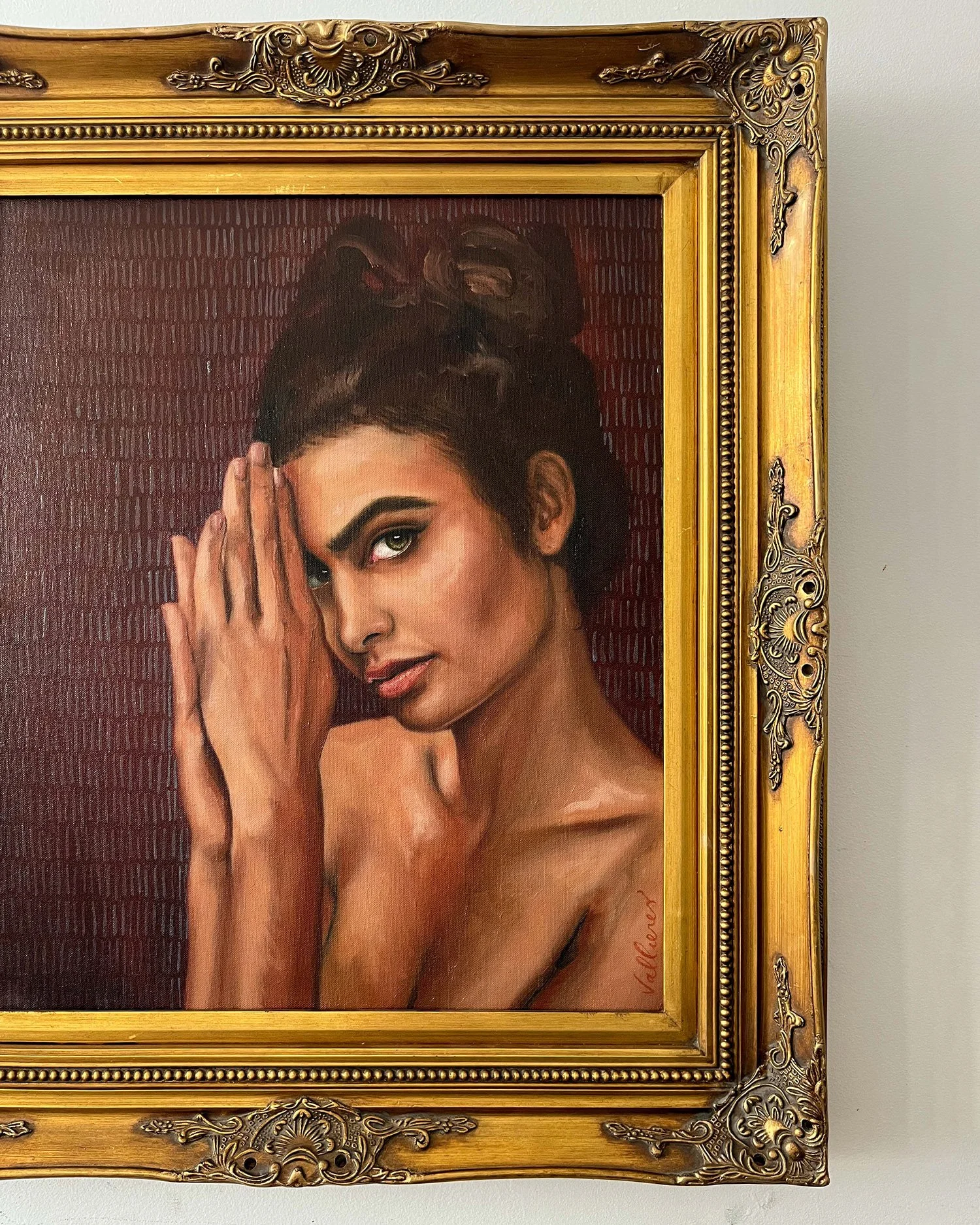
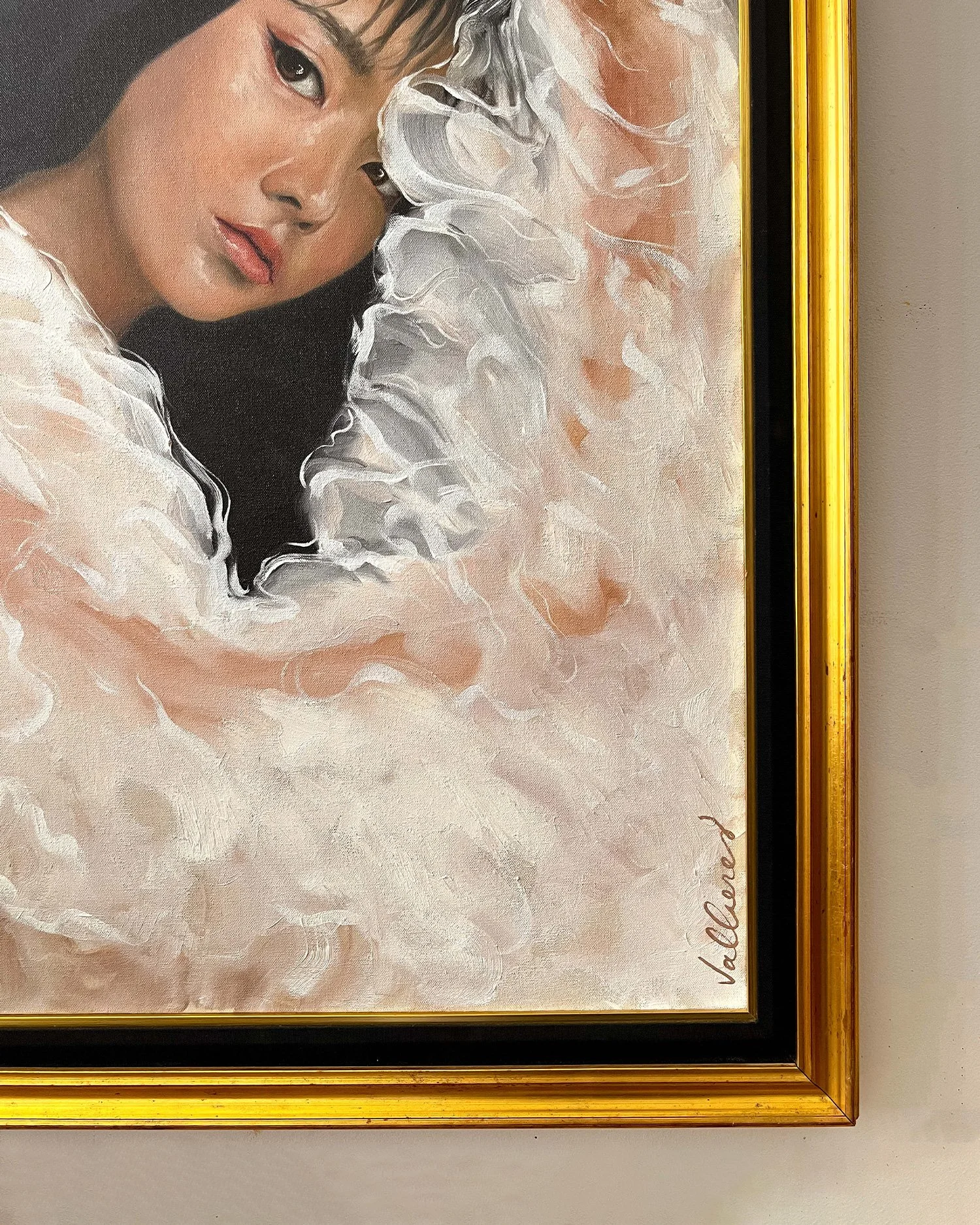
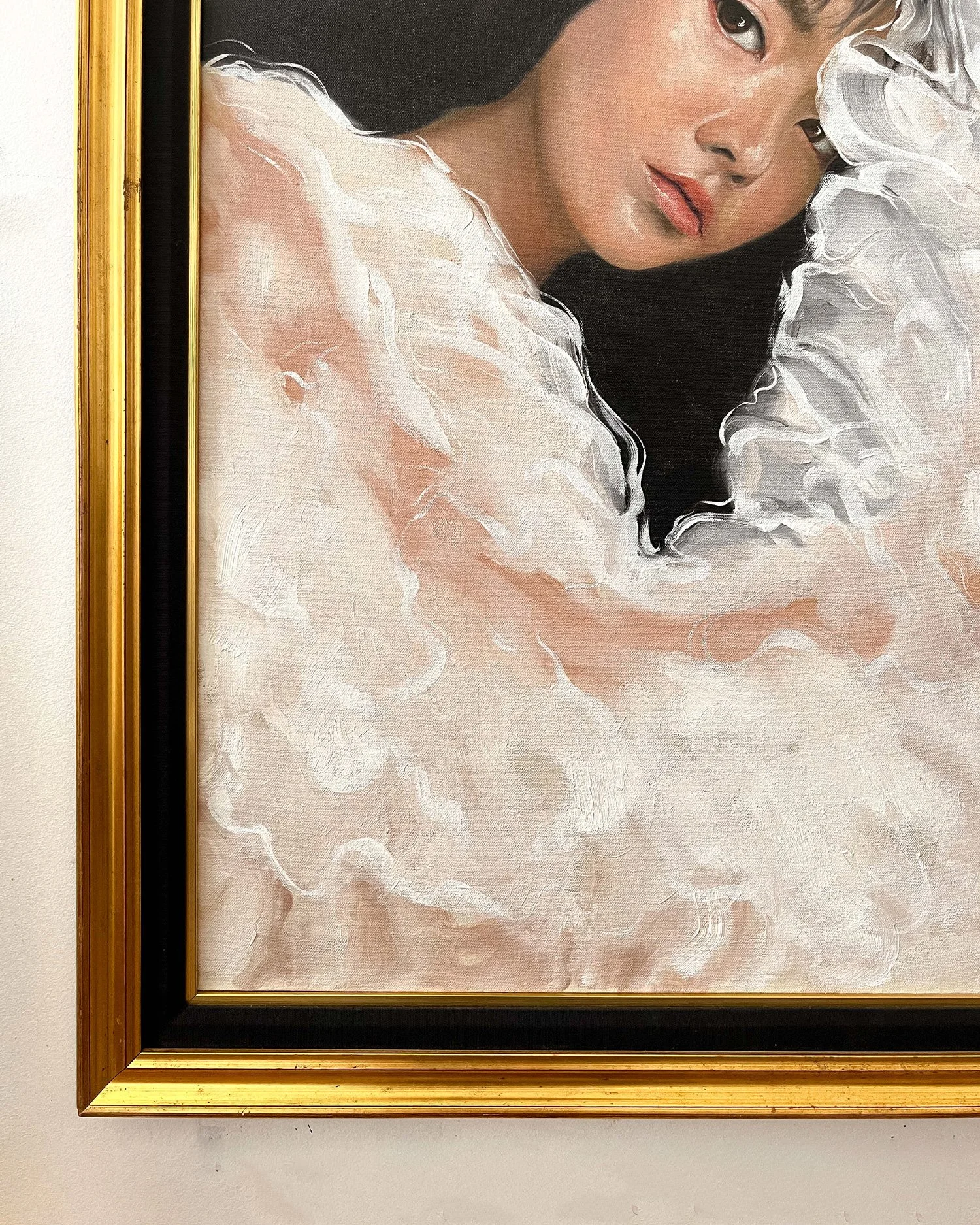
This portrait reclaims Mary Magdalene as she was always meant to be seen: not through the lens of penitence, but through truth, vision, and embodied devotion.
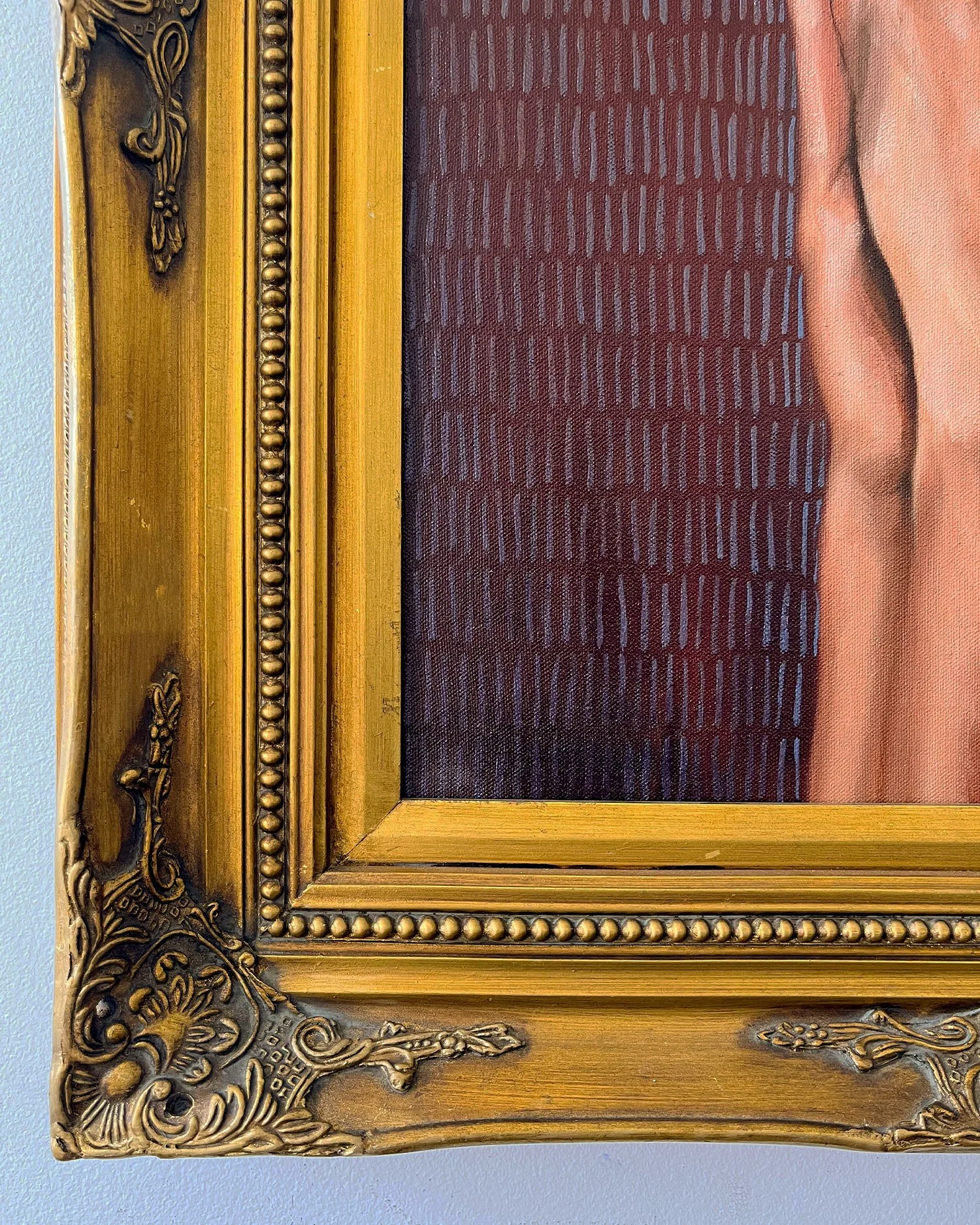
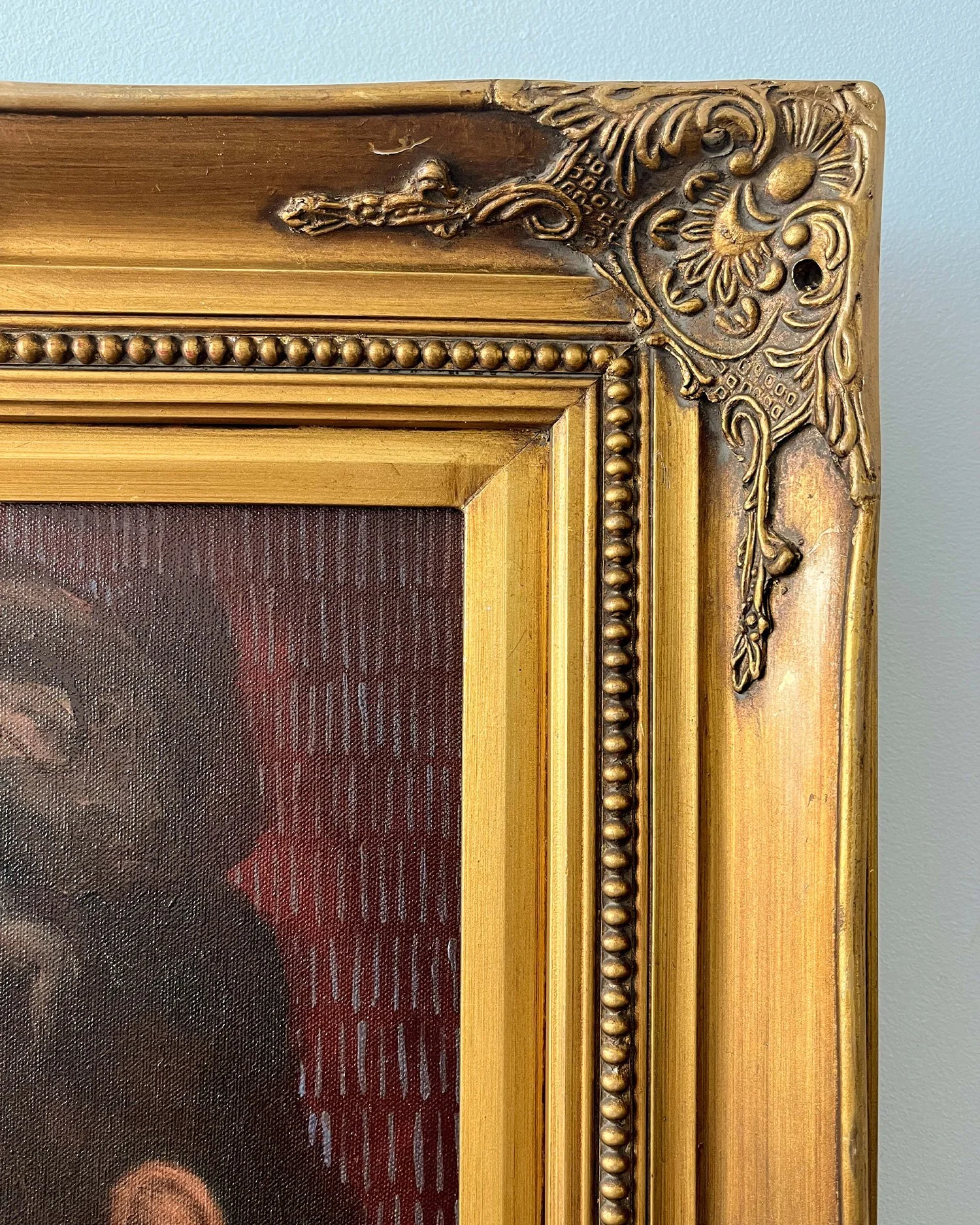
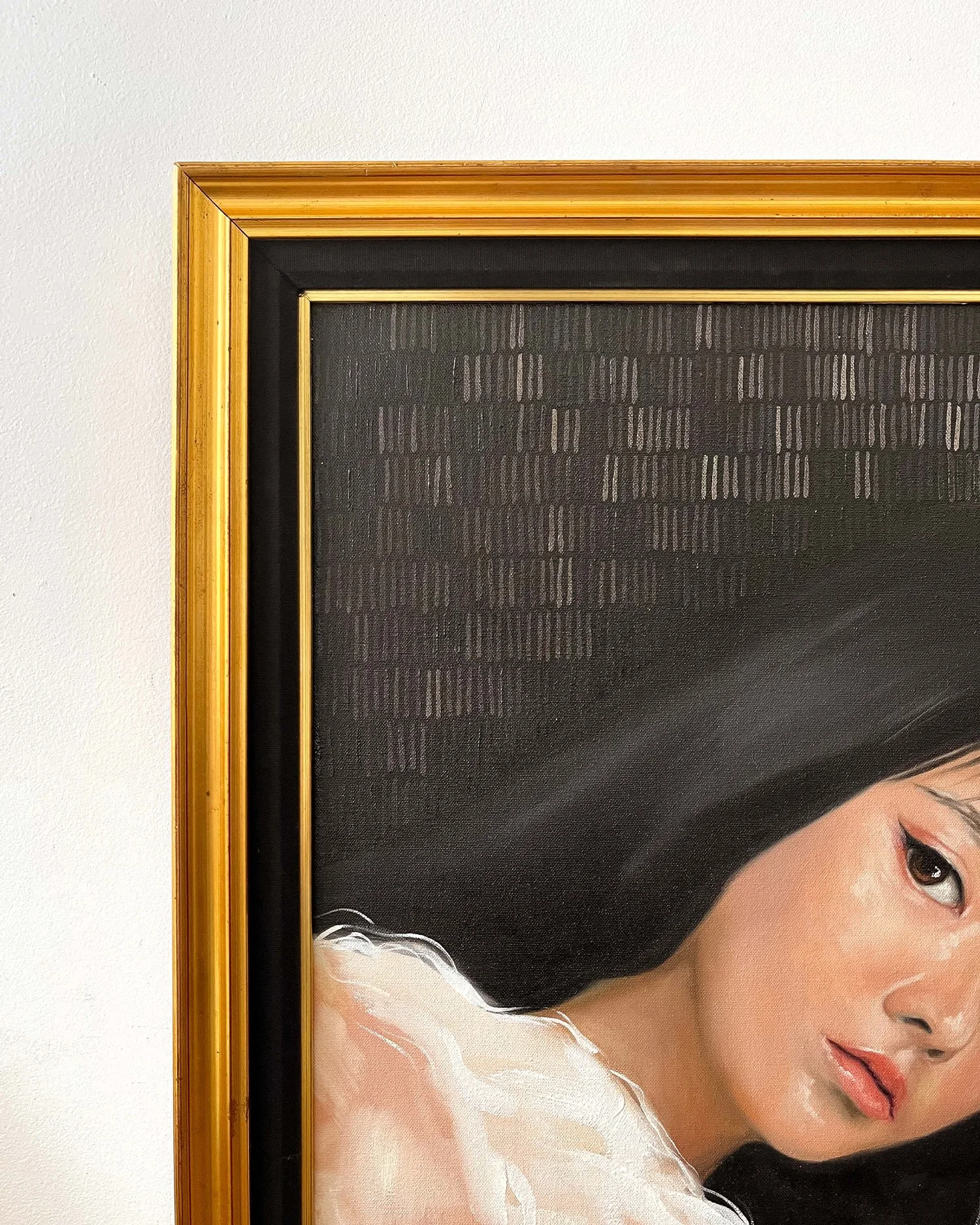
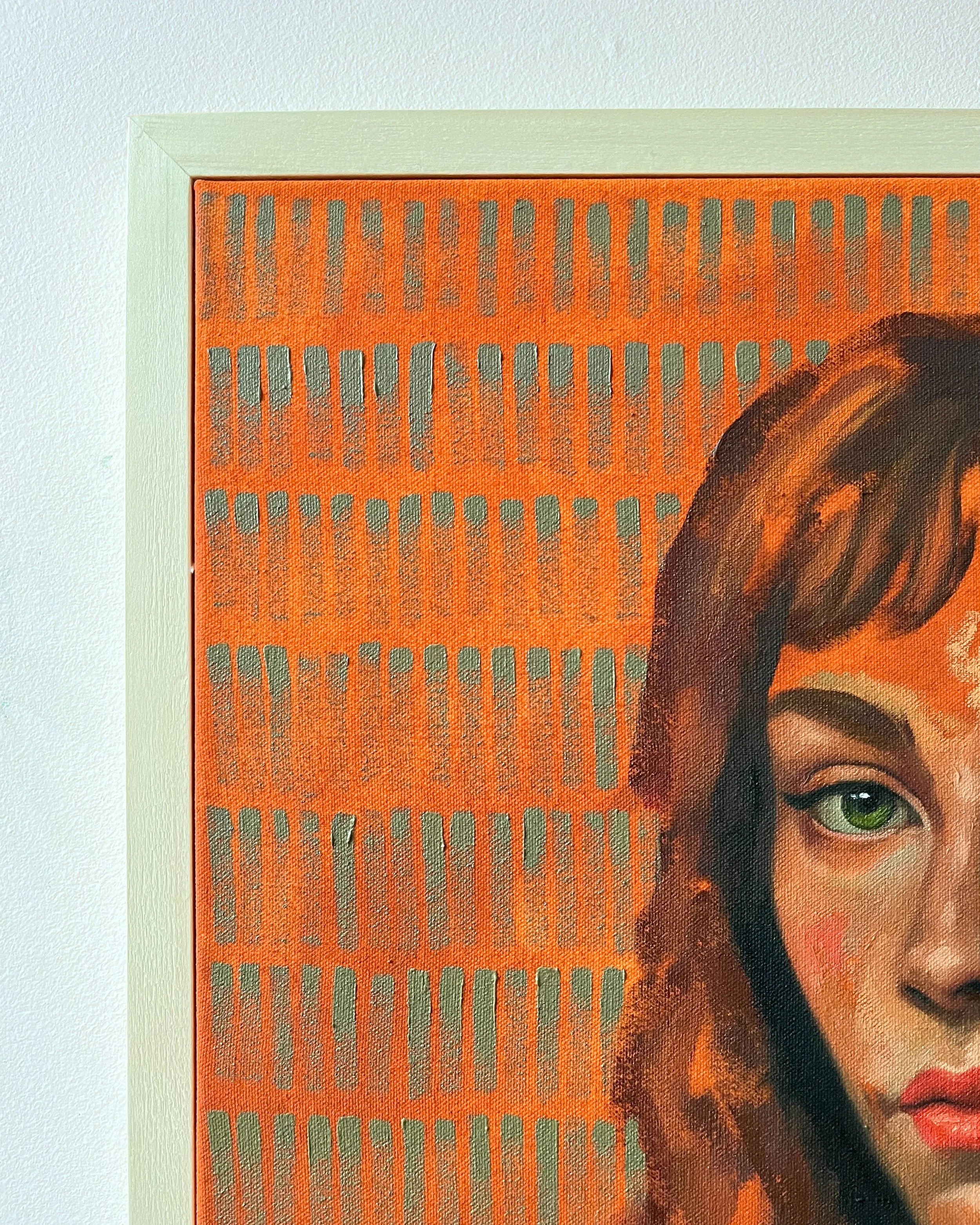
The deep Bordeaux background evokes blood, wine, desire, and reverence. The colour grounds her story in humanity rather than moral judgment. Around her, stained blue lines surround her presence. Historically, sacred blue was reserved for the Virgin Mary. Magdalene was denied it.
Her holiness does not come from absolution. It emerges from knowledge, courage, and the clarity of someone who recognized the truth before the world was ready to hear it.
She Who Knew is a portrait of reclamation. An ode to women whose voices were silenced, whose power was feared, and whose spiritual authority endured anyway.
I believed in Him first.
No one believed in me.
20 × 24 in | Oil on canvas | 2026
This portrait reclaims Mary Magdalene as she was always meant to be seen: not through the lens of penitence, but through truth, vision, and embodied devotion.
The deep Bordeaux background evokes blood, wine, desire, and reverence. The colour grounds her story in humanity rather than moral judgment. Around her, stained blue lines surround her presence. Historically, sacred blue was reserved for the Virgin Mary. Magdalene was denied it.
Her holiness does not come from absolution. It emerges from knowledge, courage, and the clarity of someone who recognized the truth before the world was ready to hear it.
She Who Knew is a portrait of reclamation. An ode to women whose voices were silenced, whose power was feared, and whose spiritual authority endured anyway.
About the Divine Outcast collection
Divine Outcast is a series of feminist portraits reimagining women from mythology, religion, and art history whose stories were distorted by fear, shame, or misunderstanding. Each painting restores their voice, presenting them not as symbols or warnings, but as powerful women reclaiming their own narratives.