Image 1 of 7
Image 3 of 7
Image 4 of 7
Image 5 of 7
Image 6 of 7
Image 7 of 7
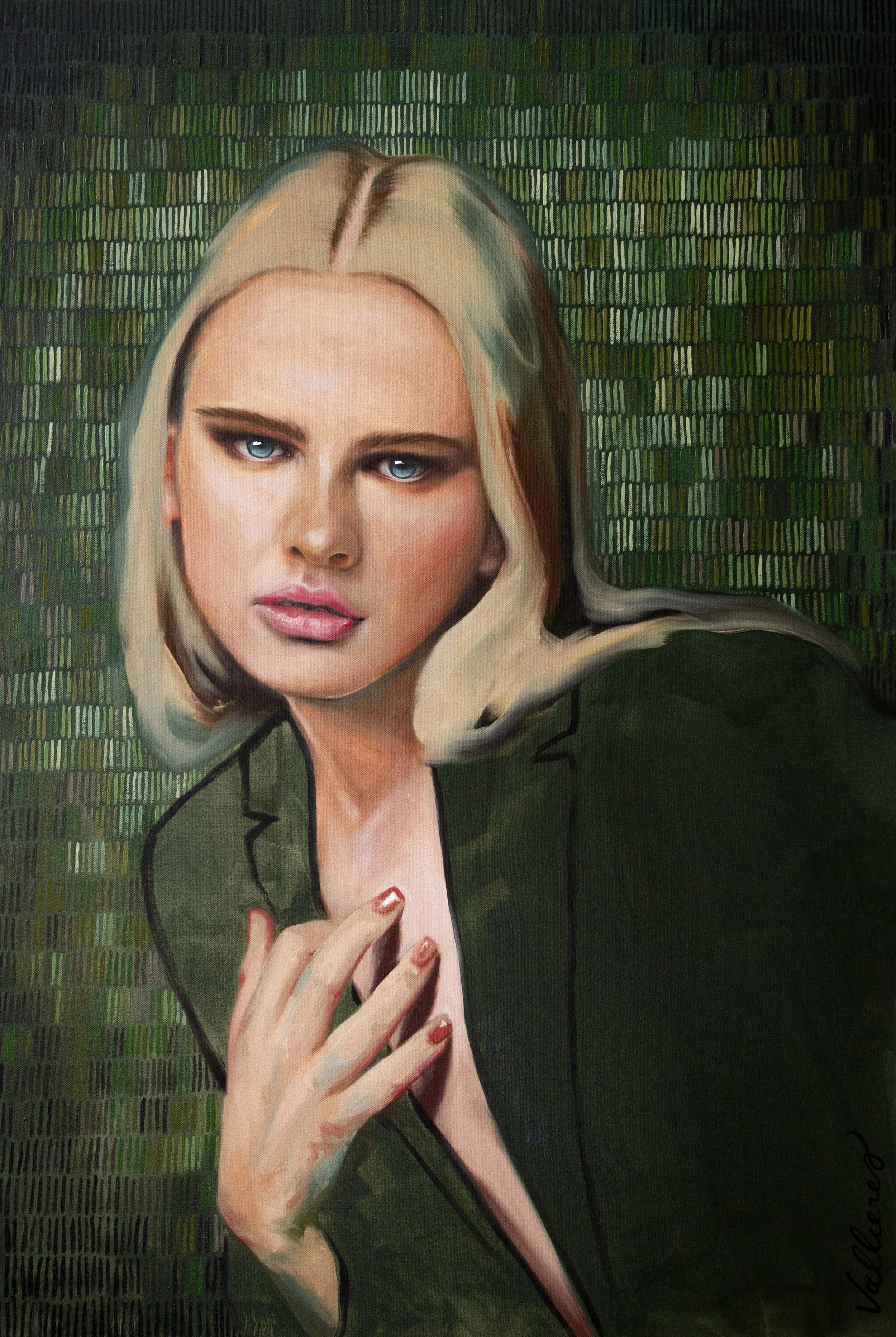
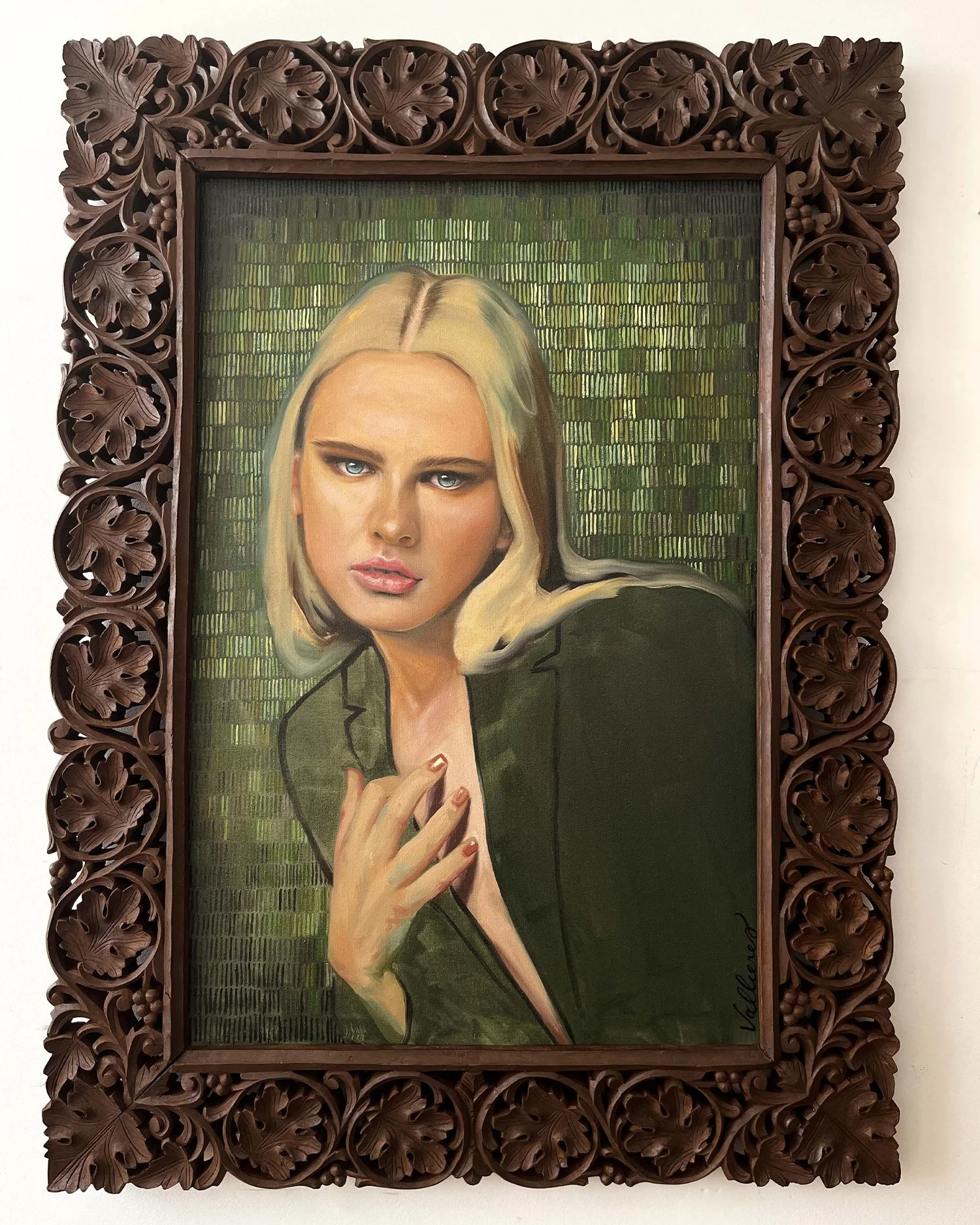
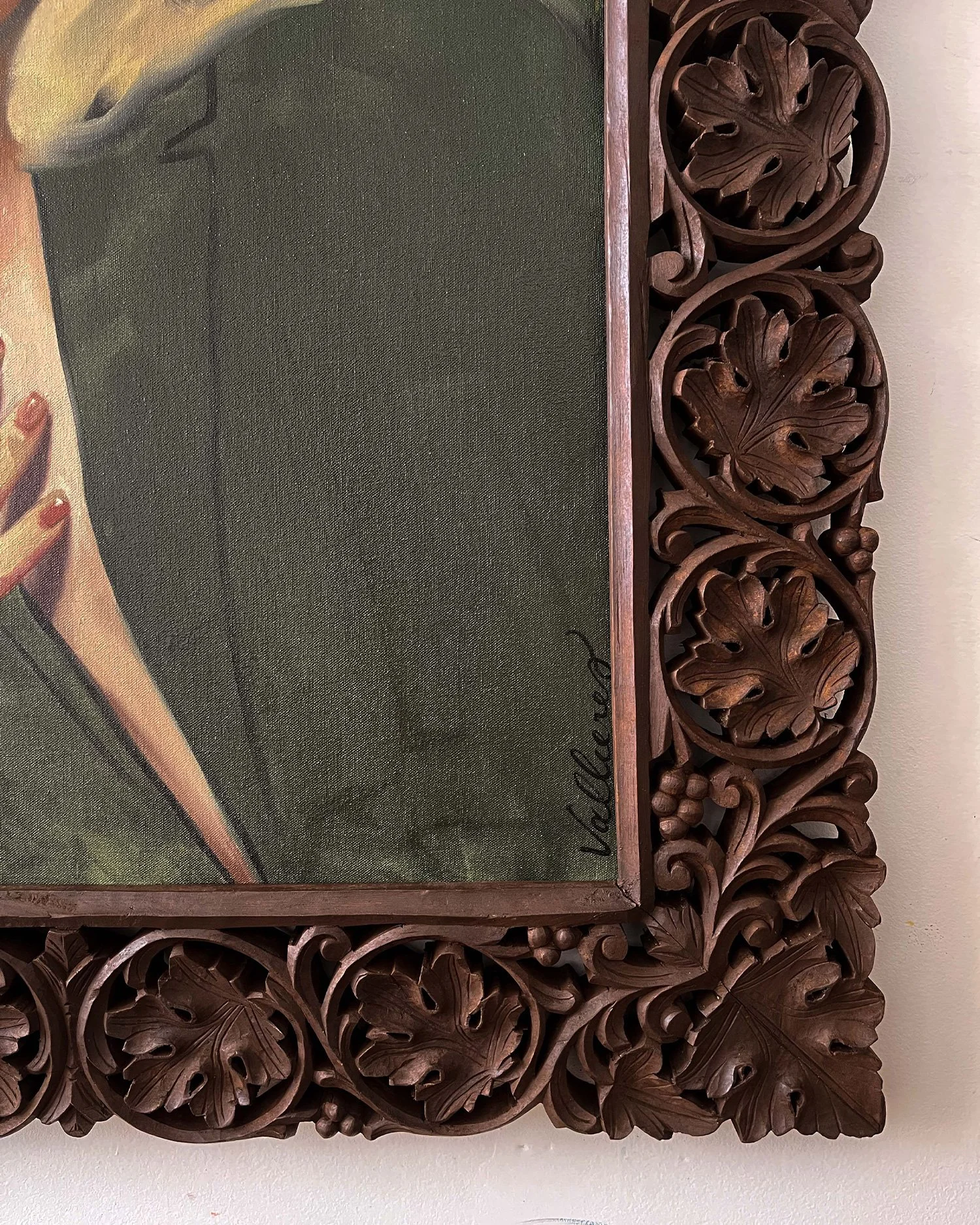
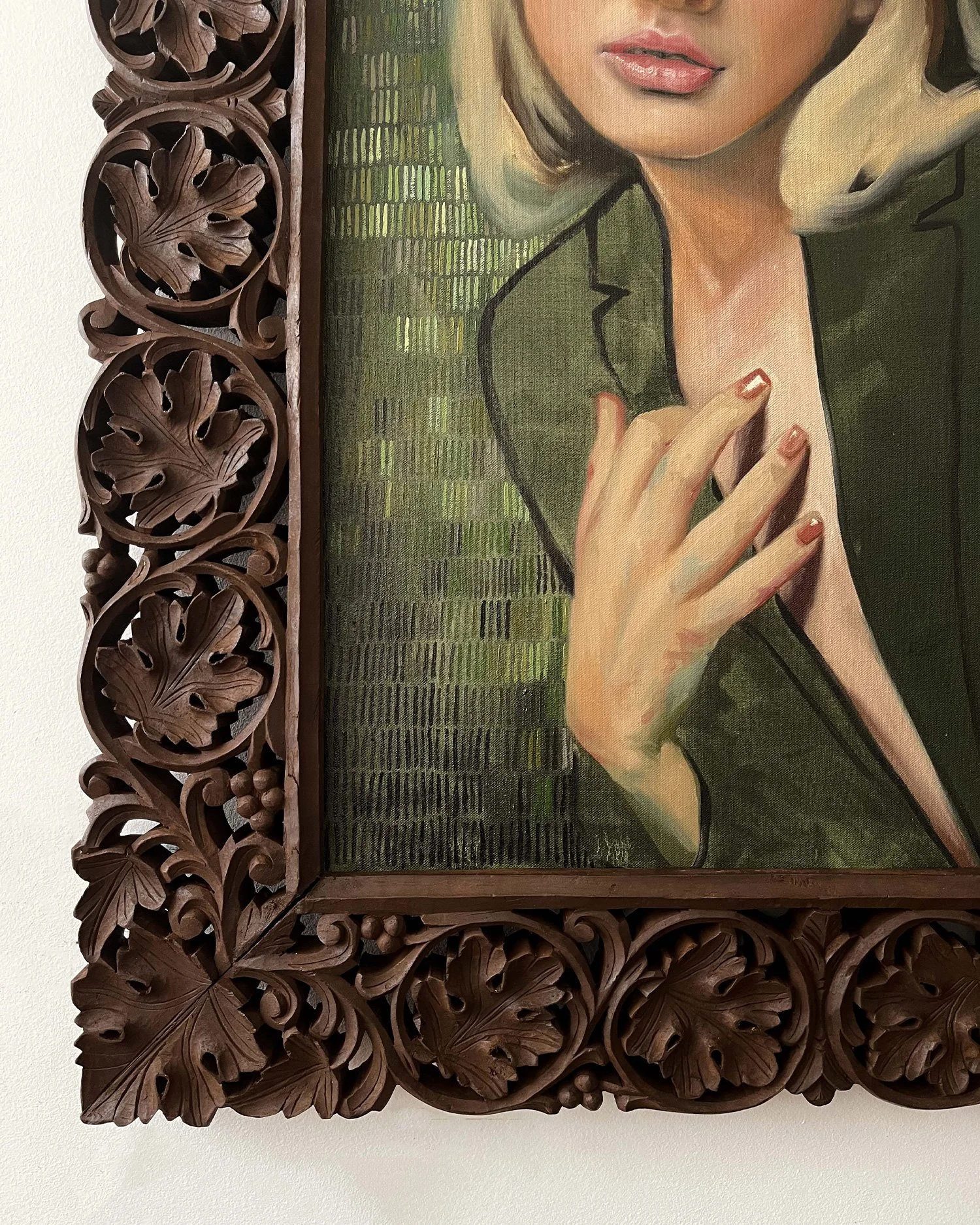
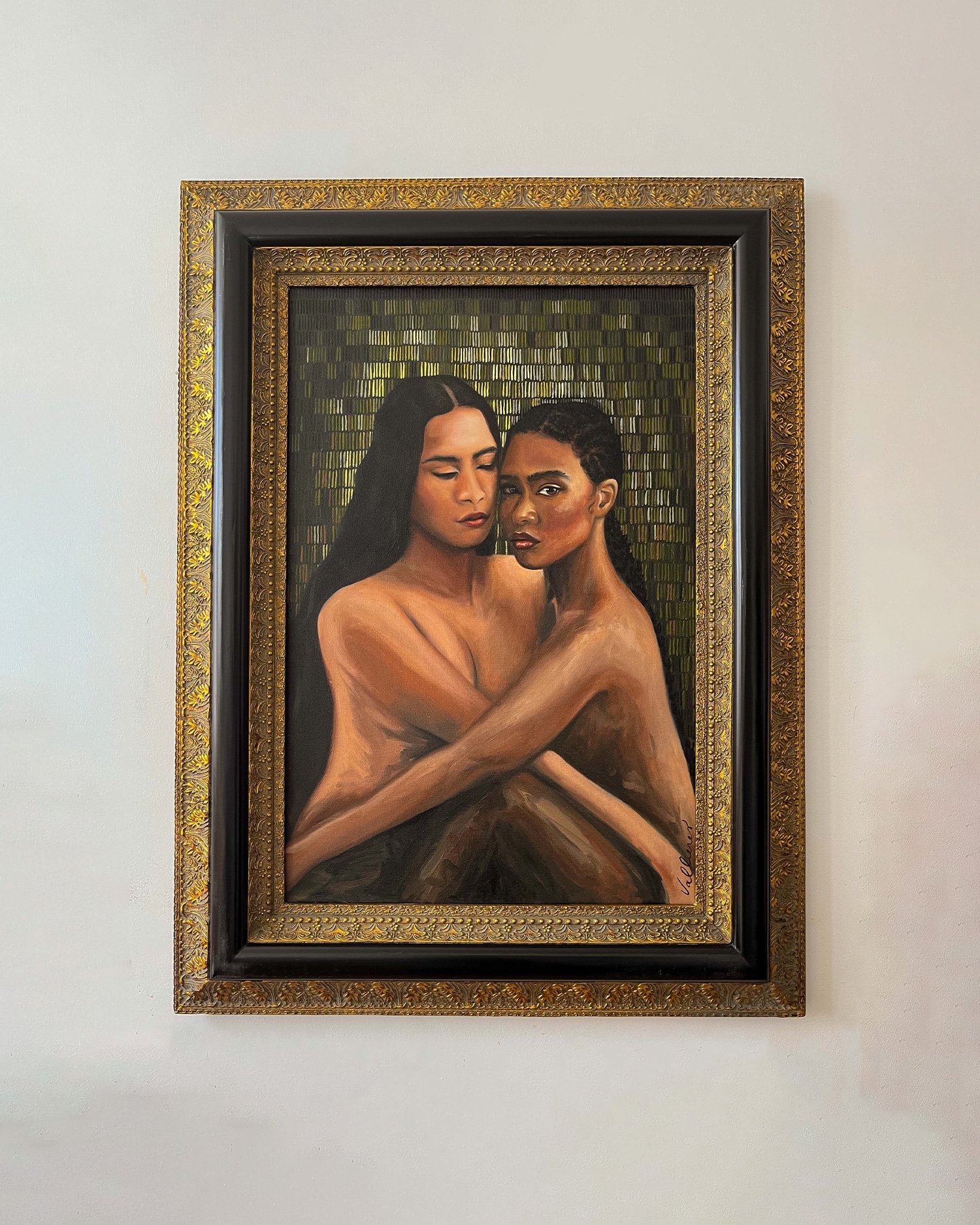
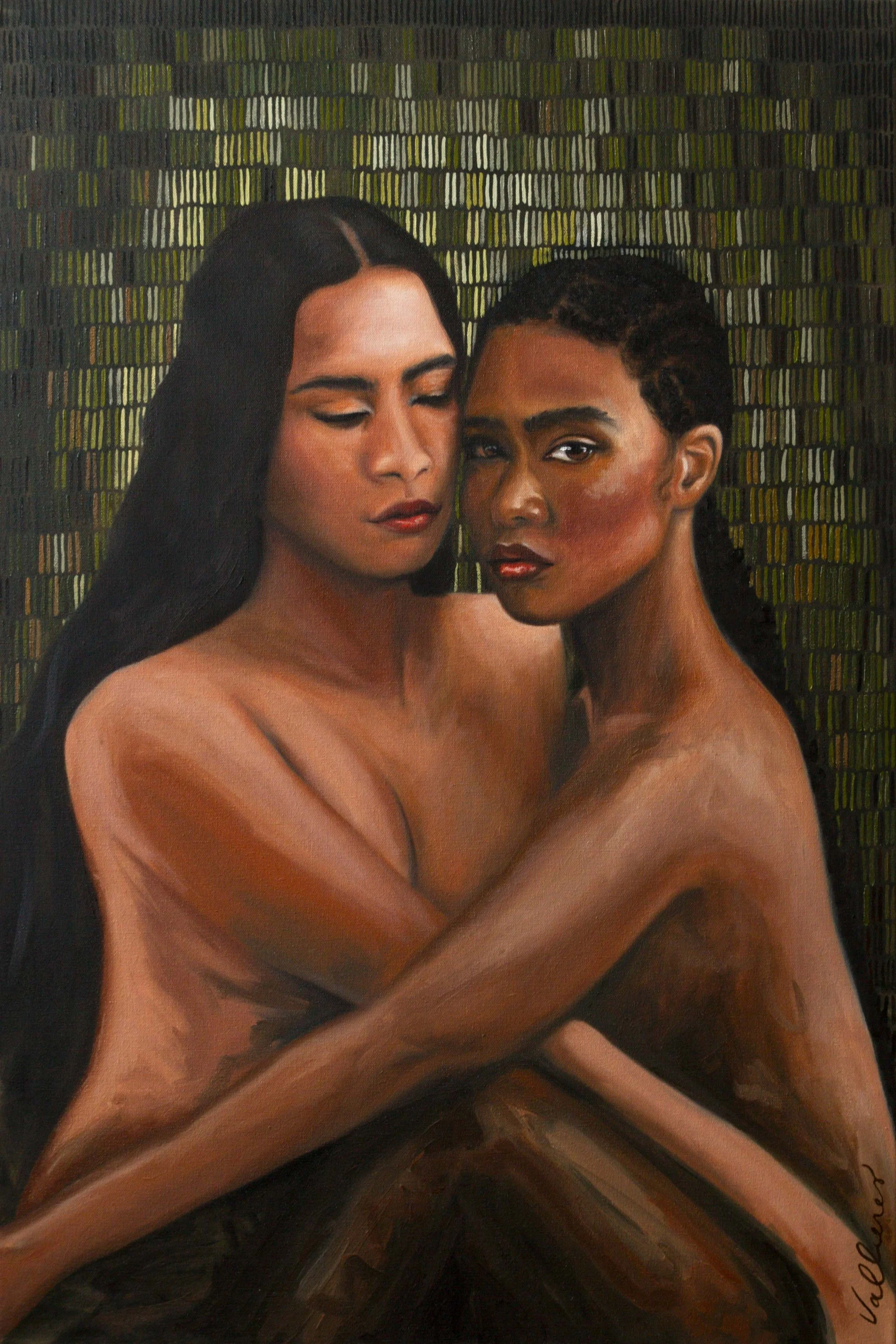
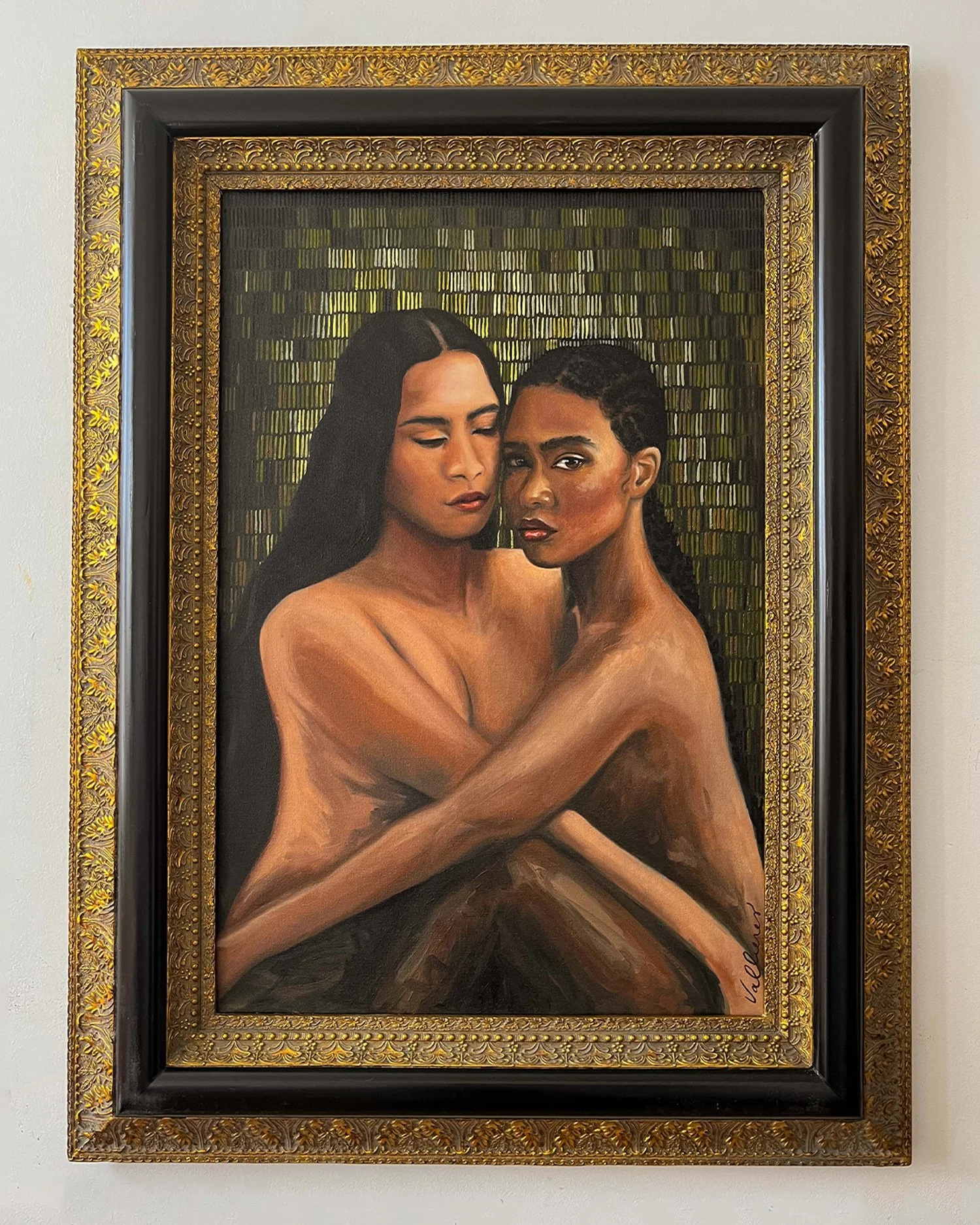
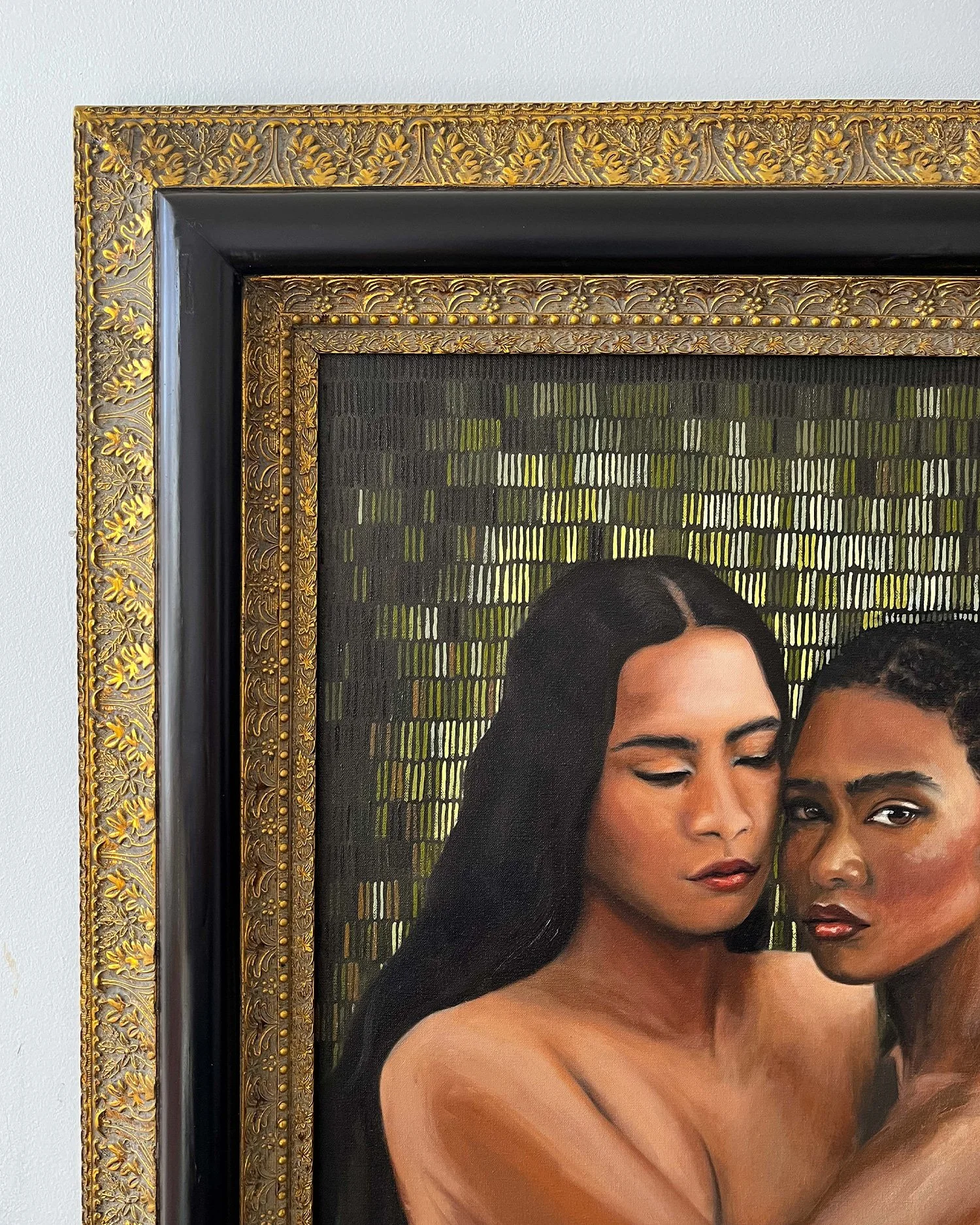
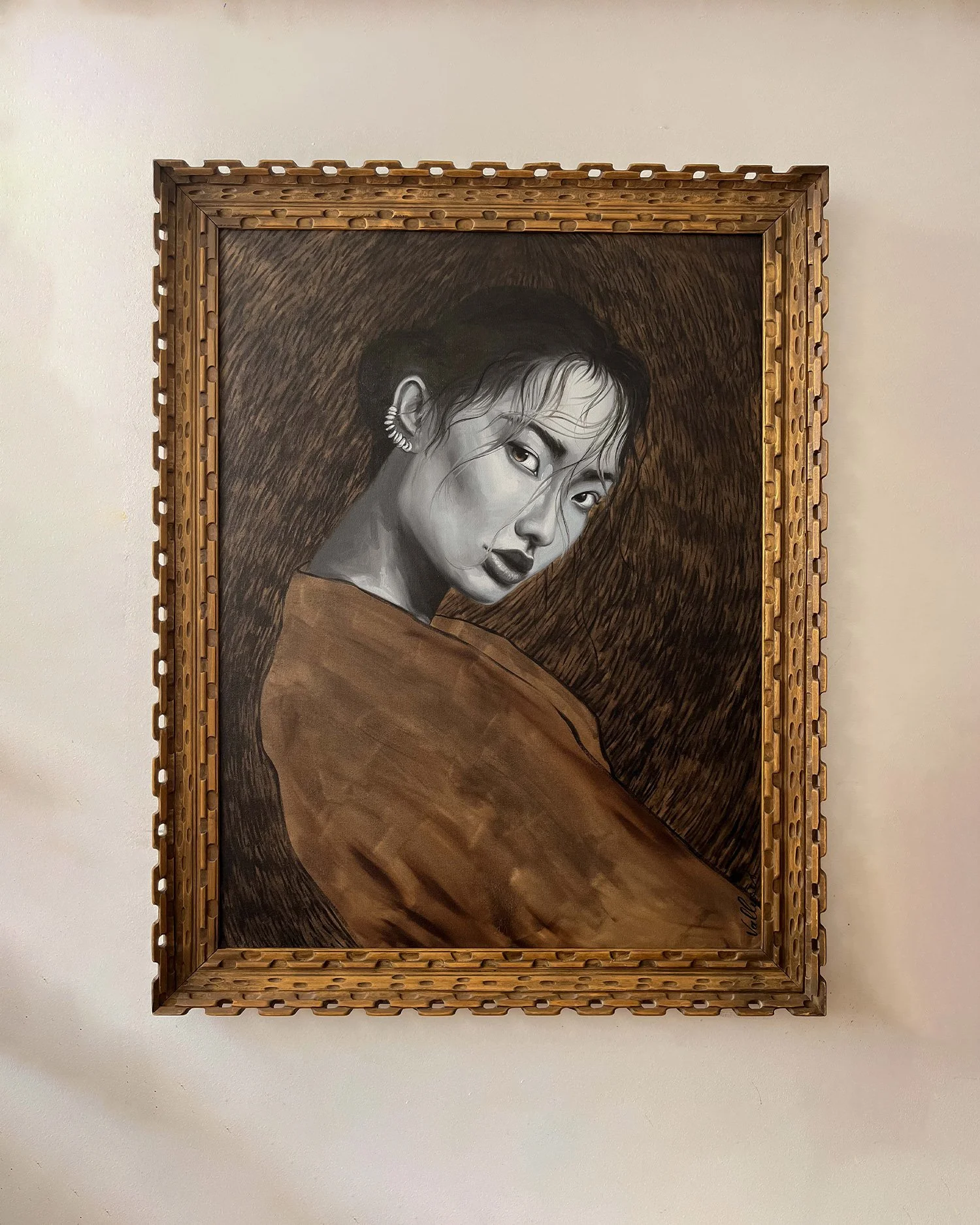
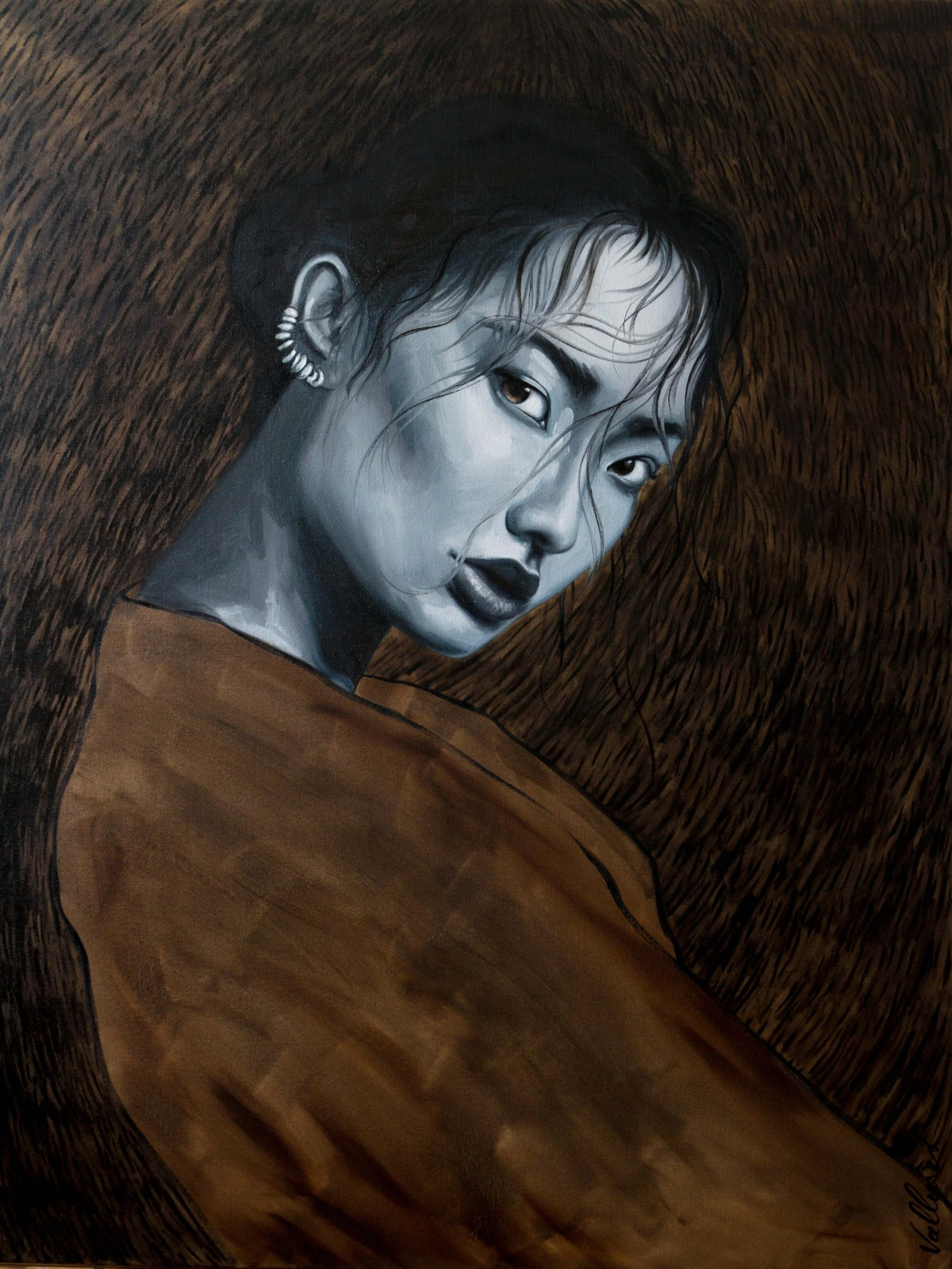
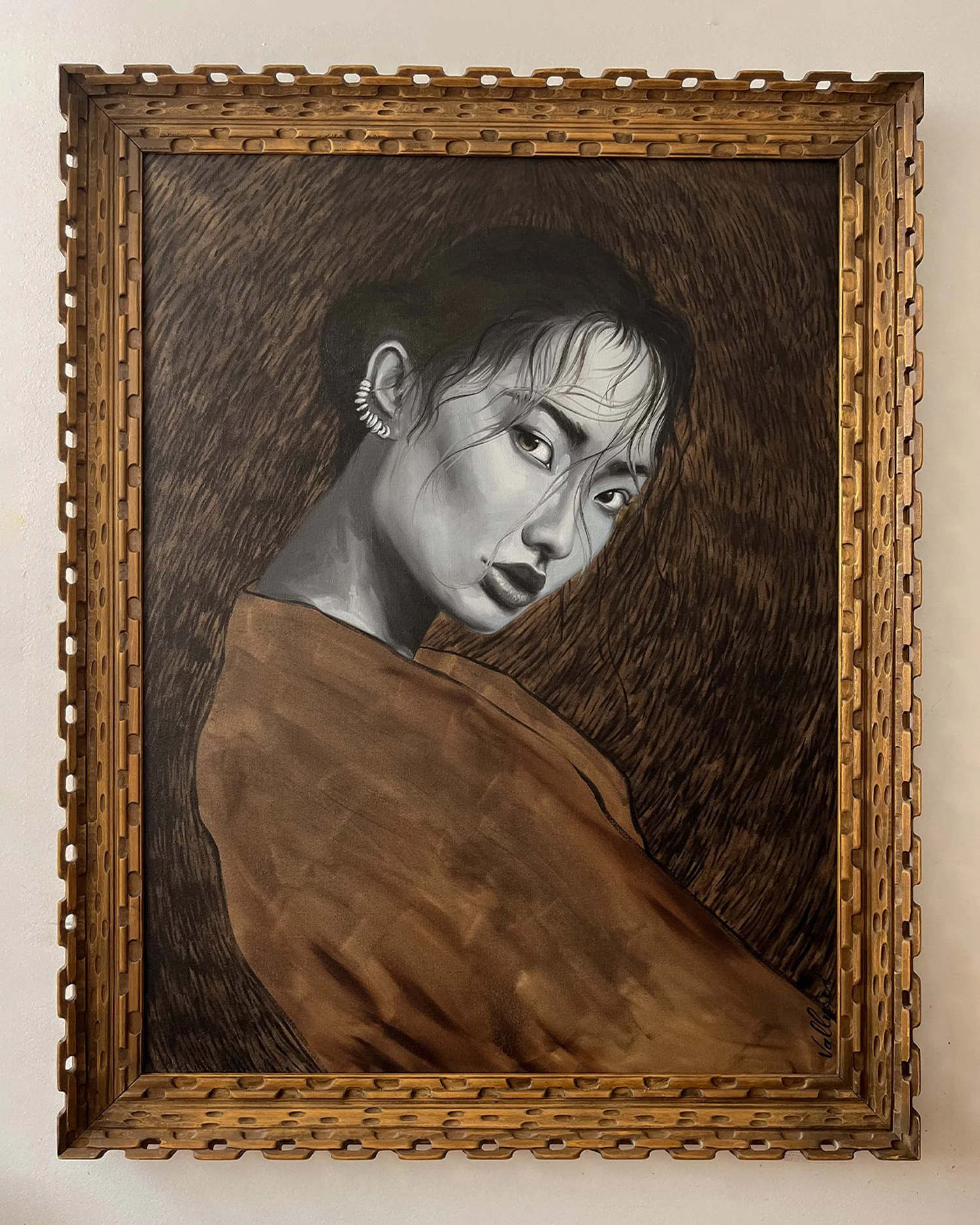
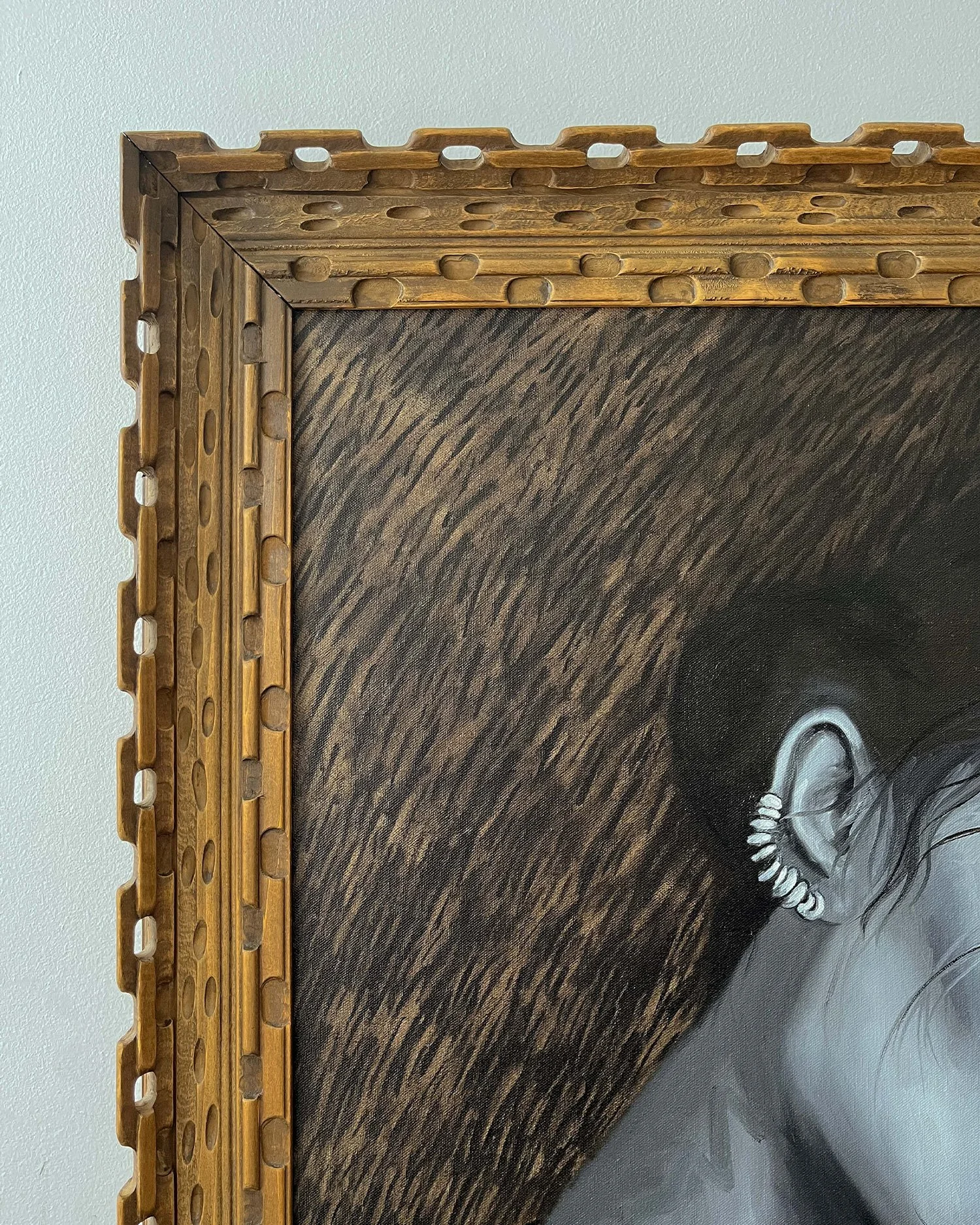
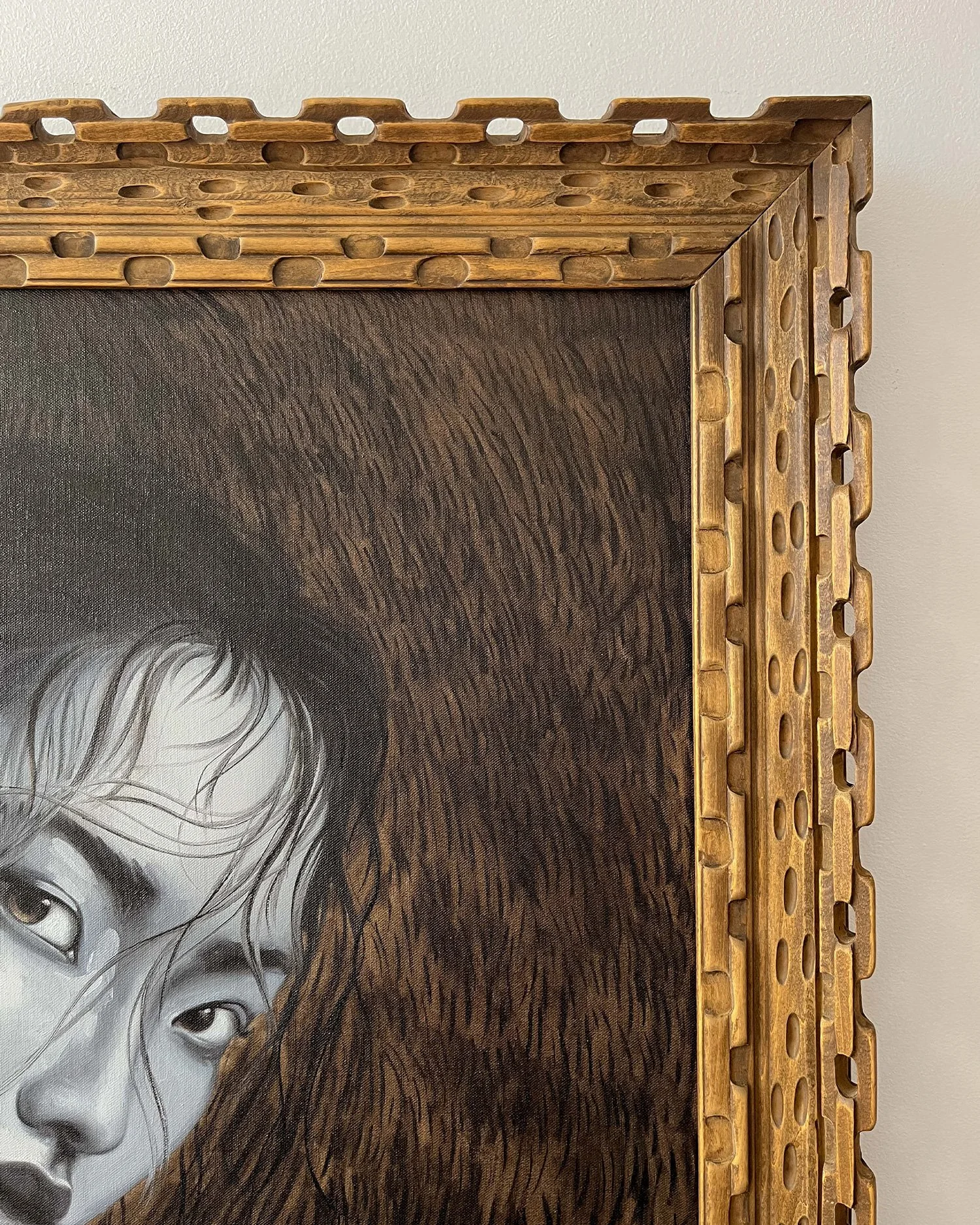
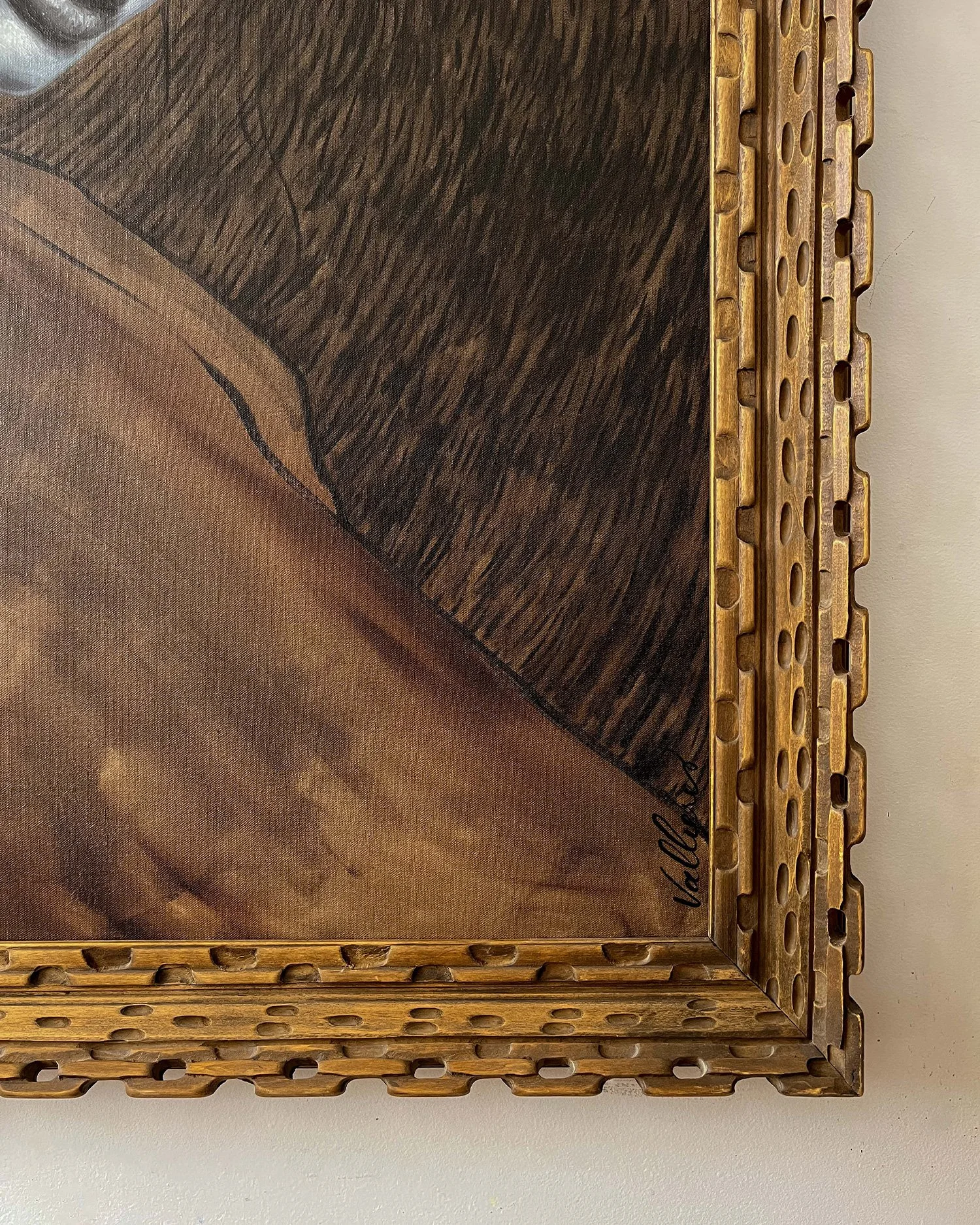
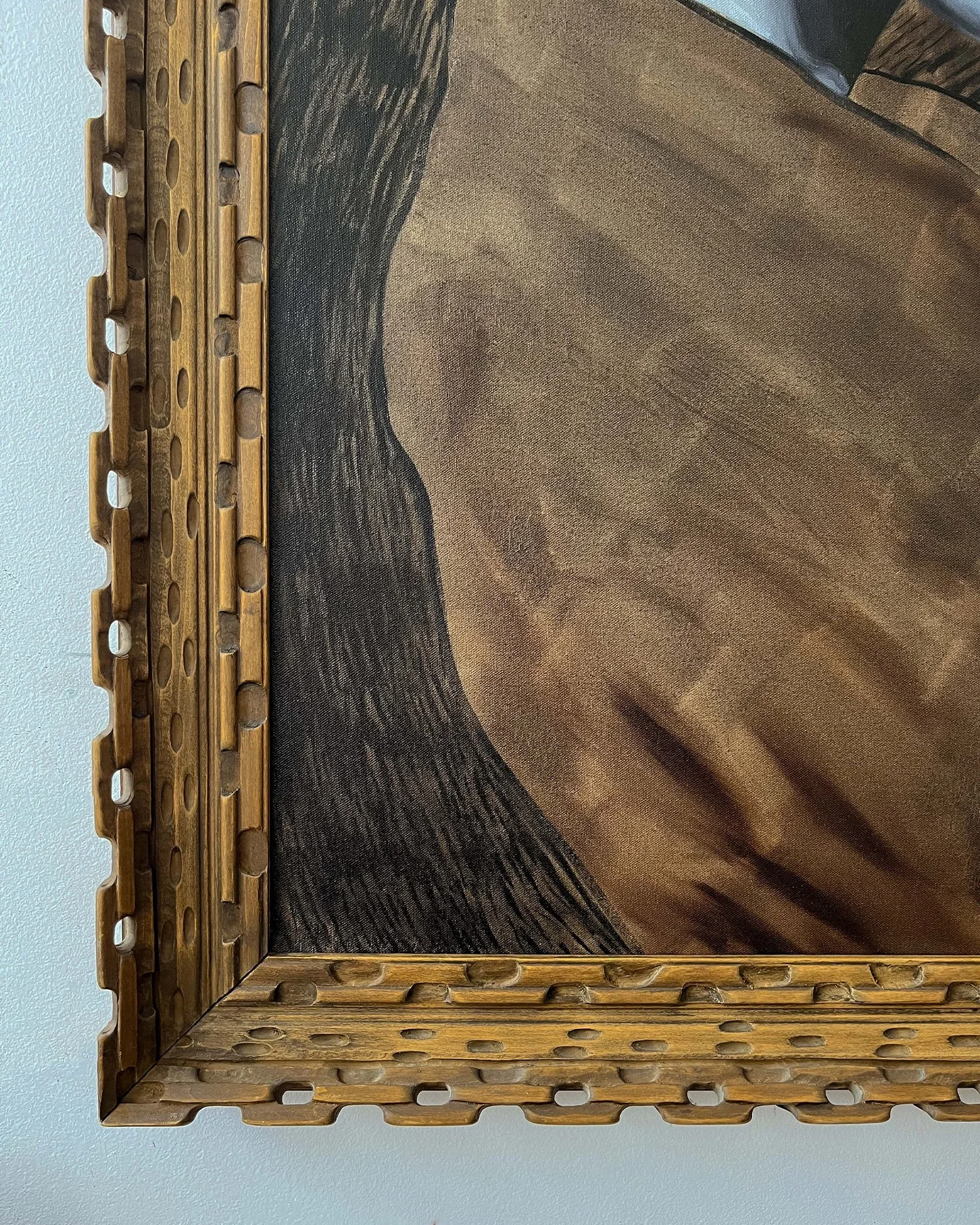
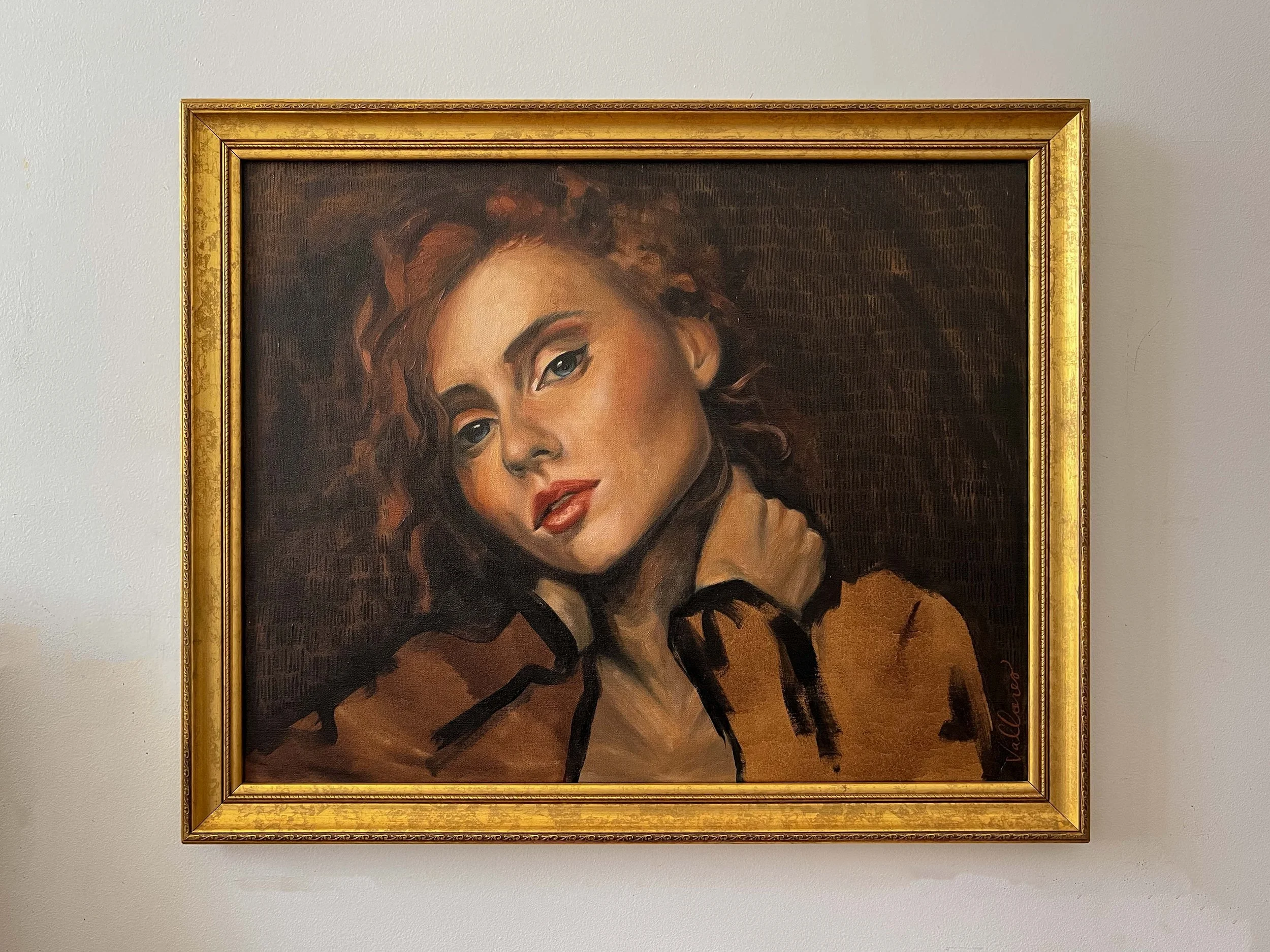
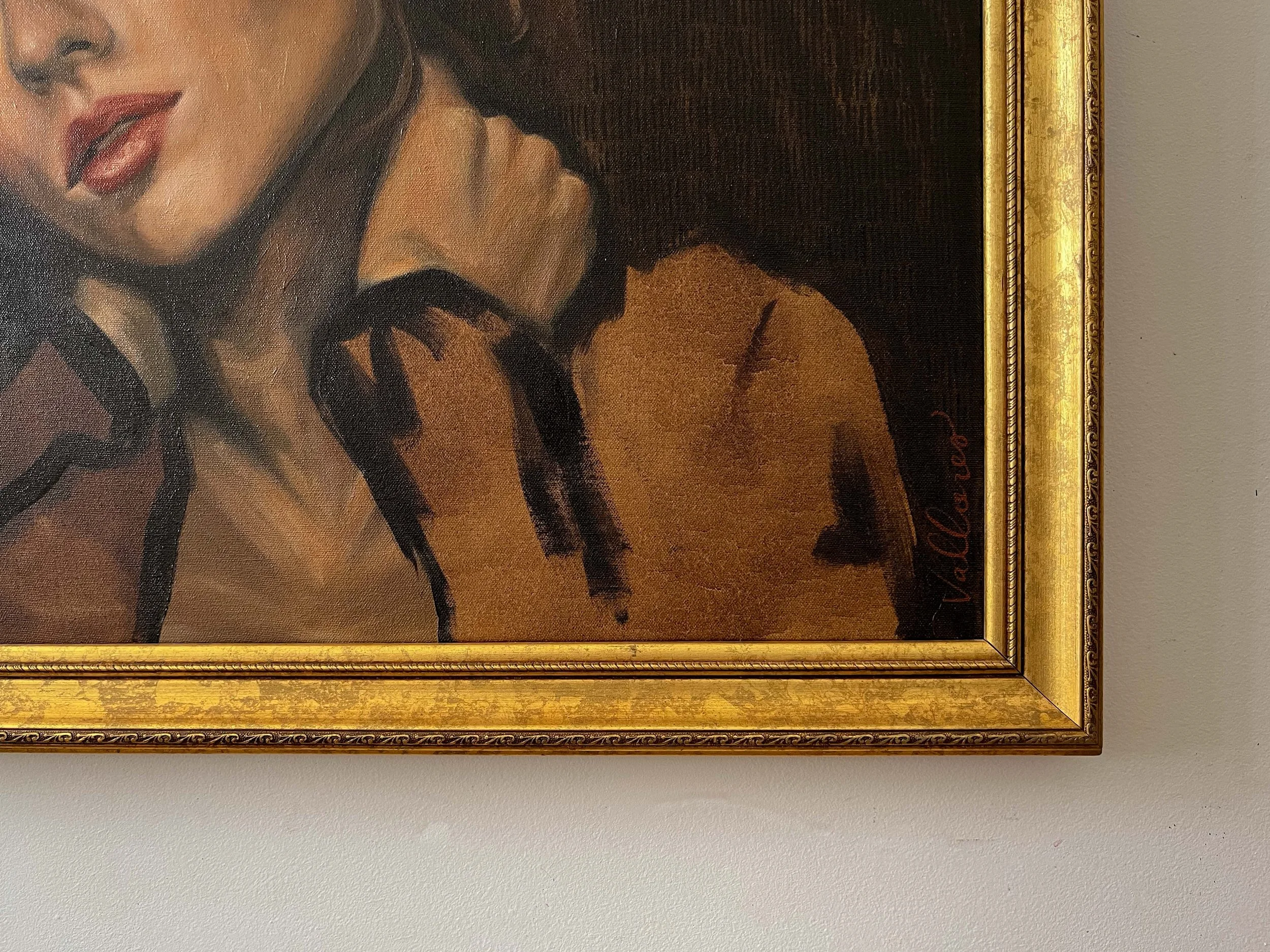
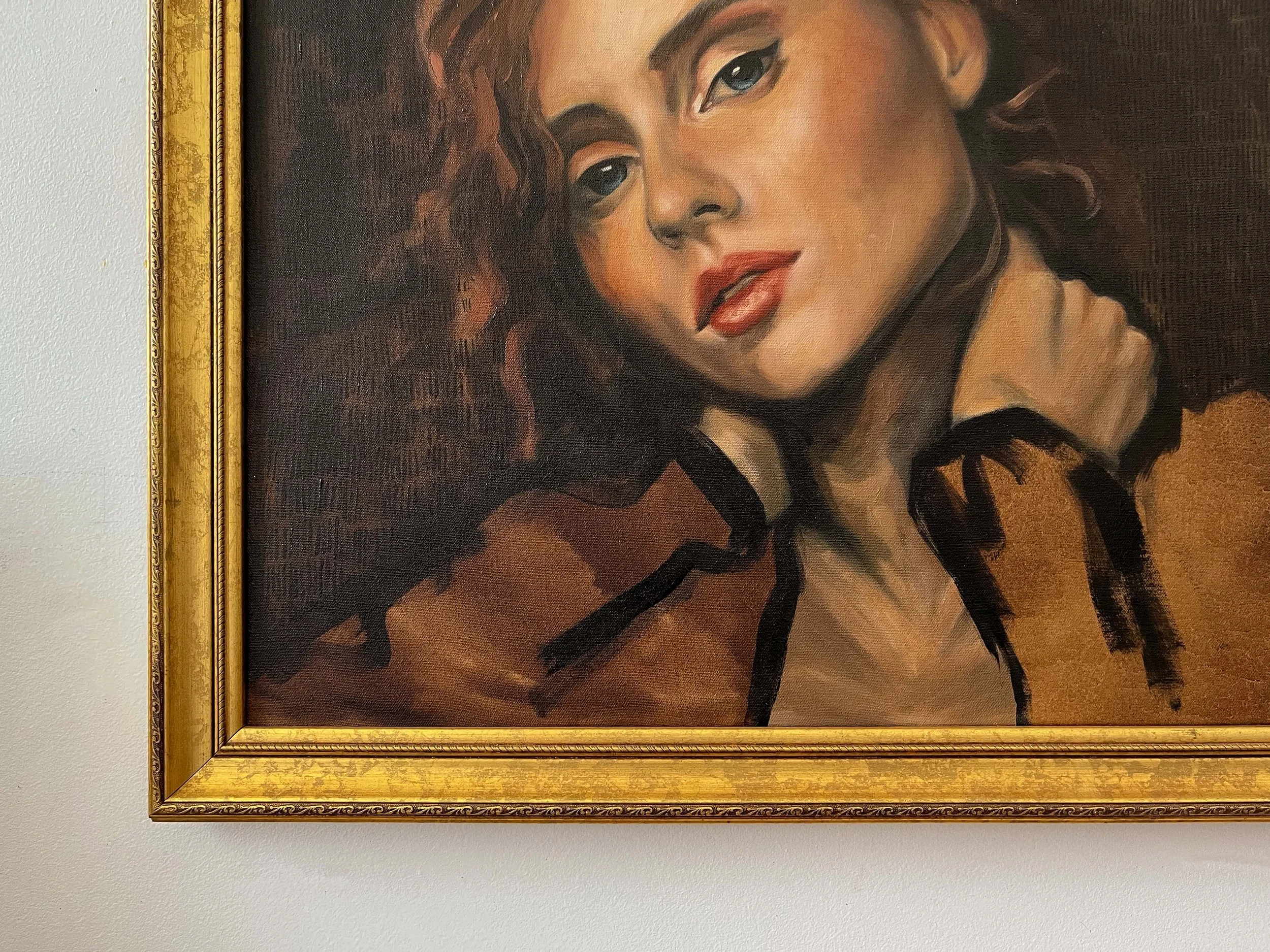
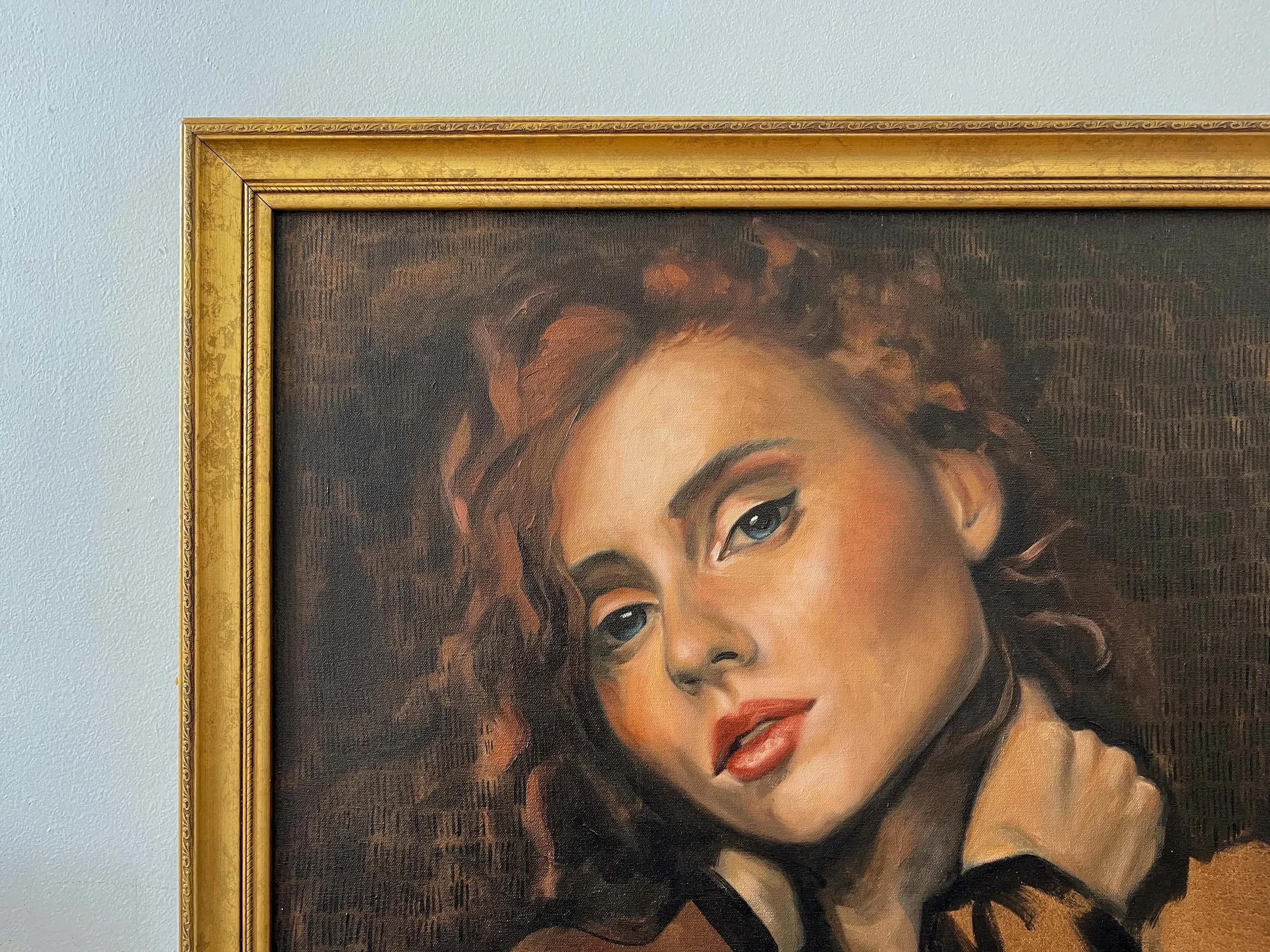
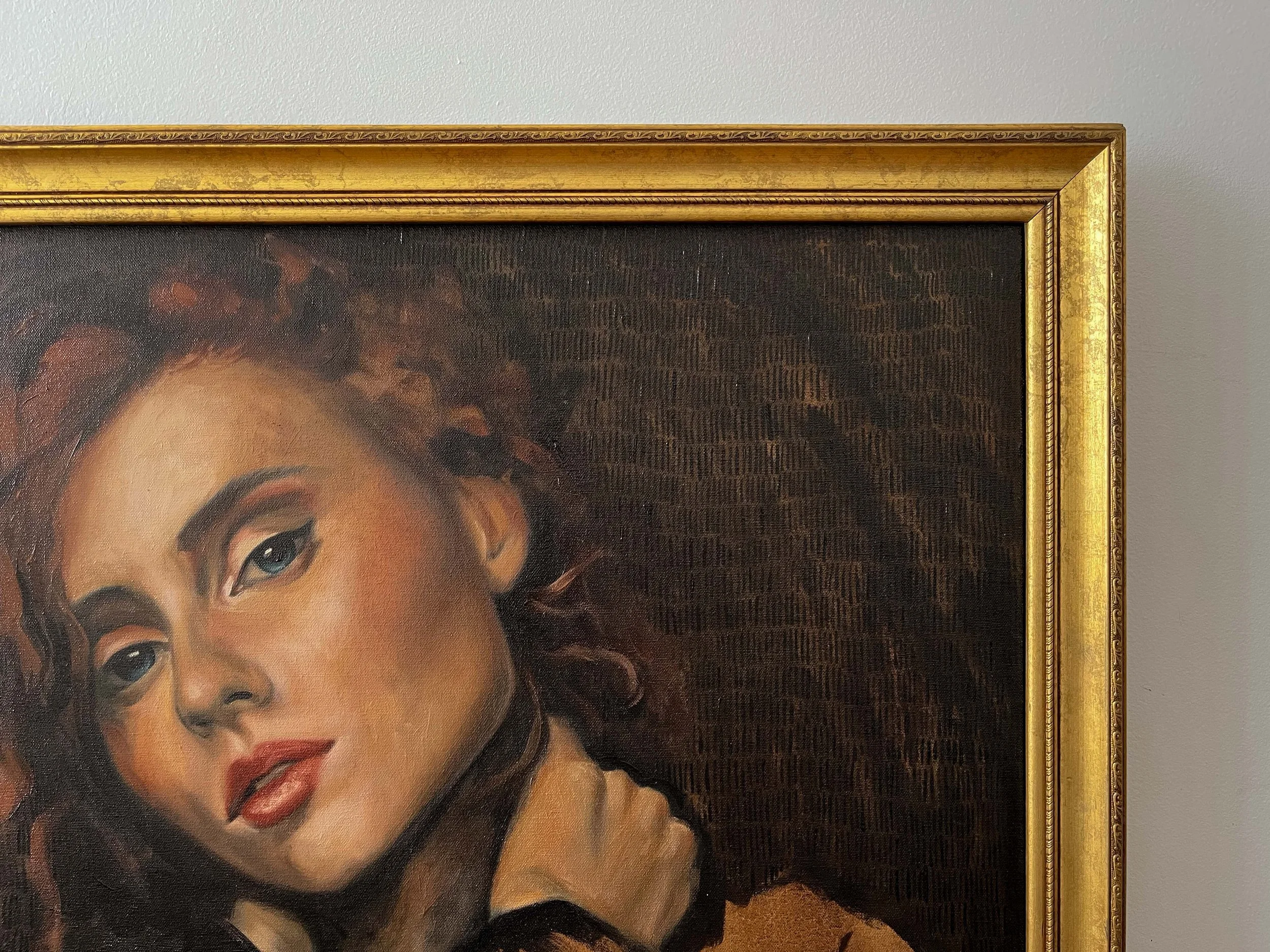
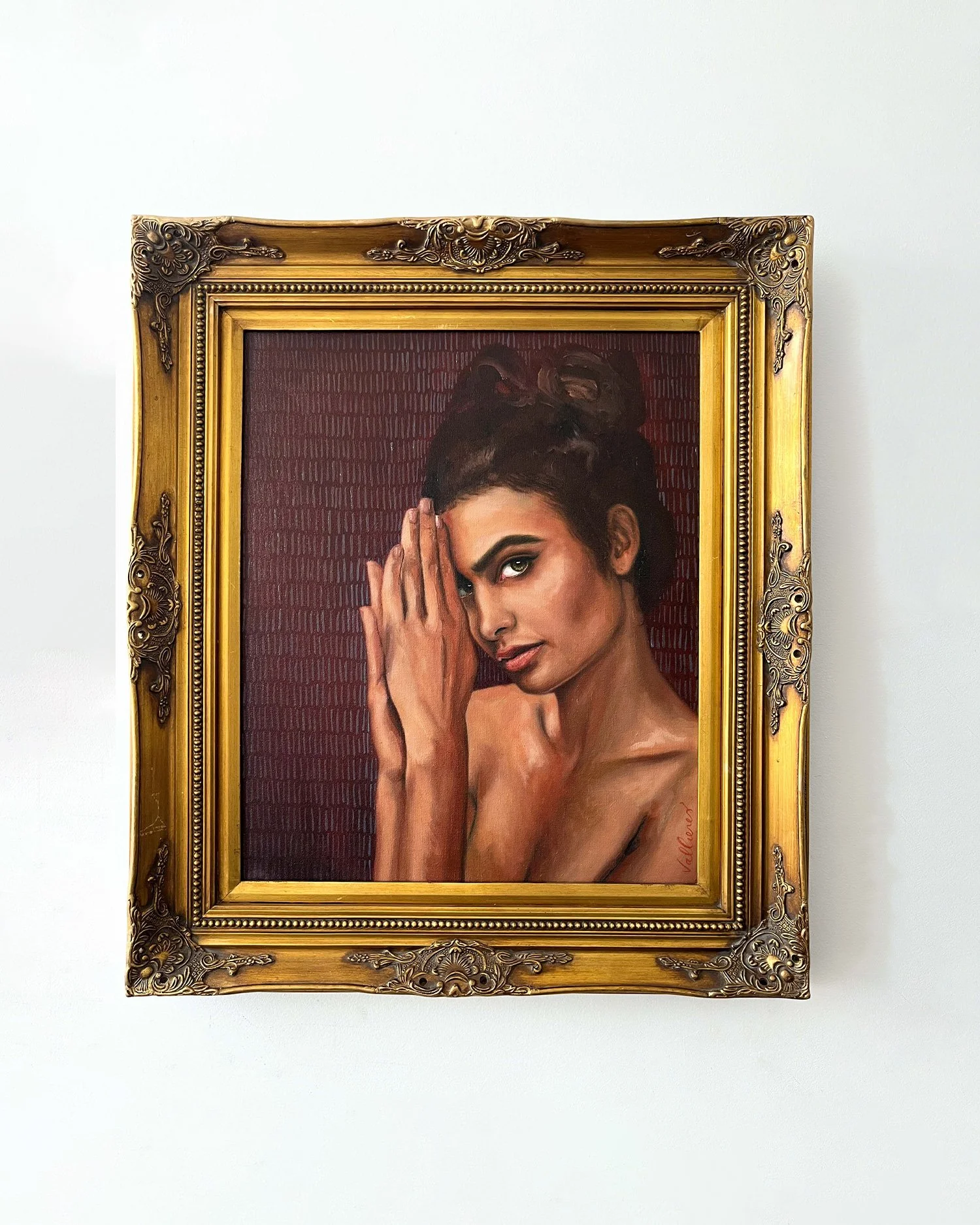
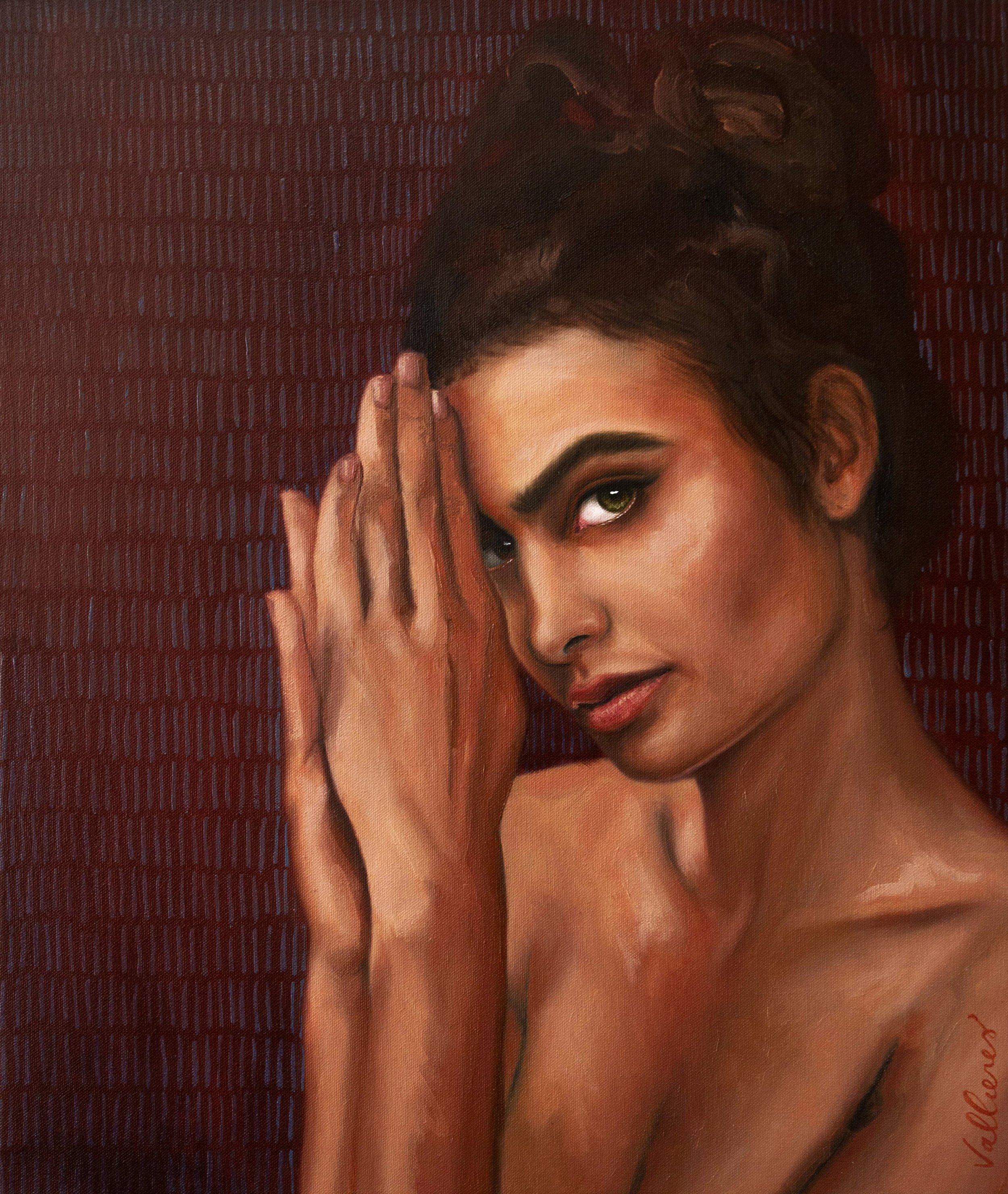
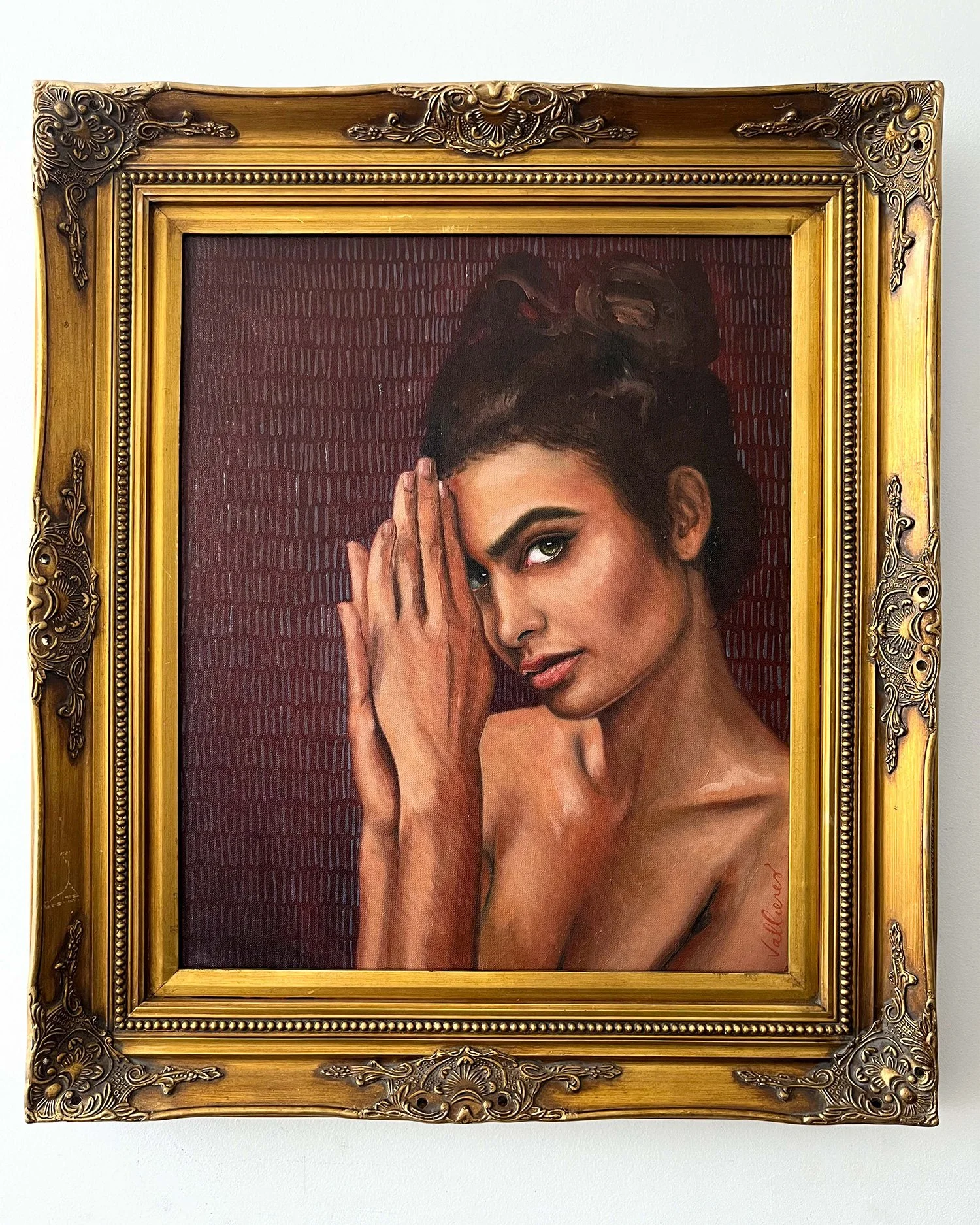
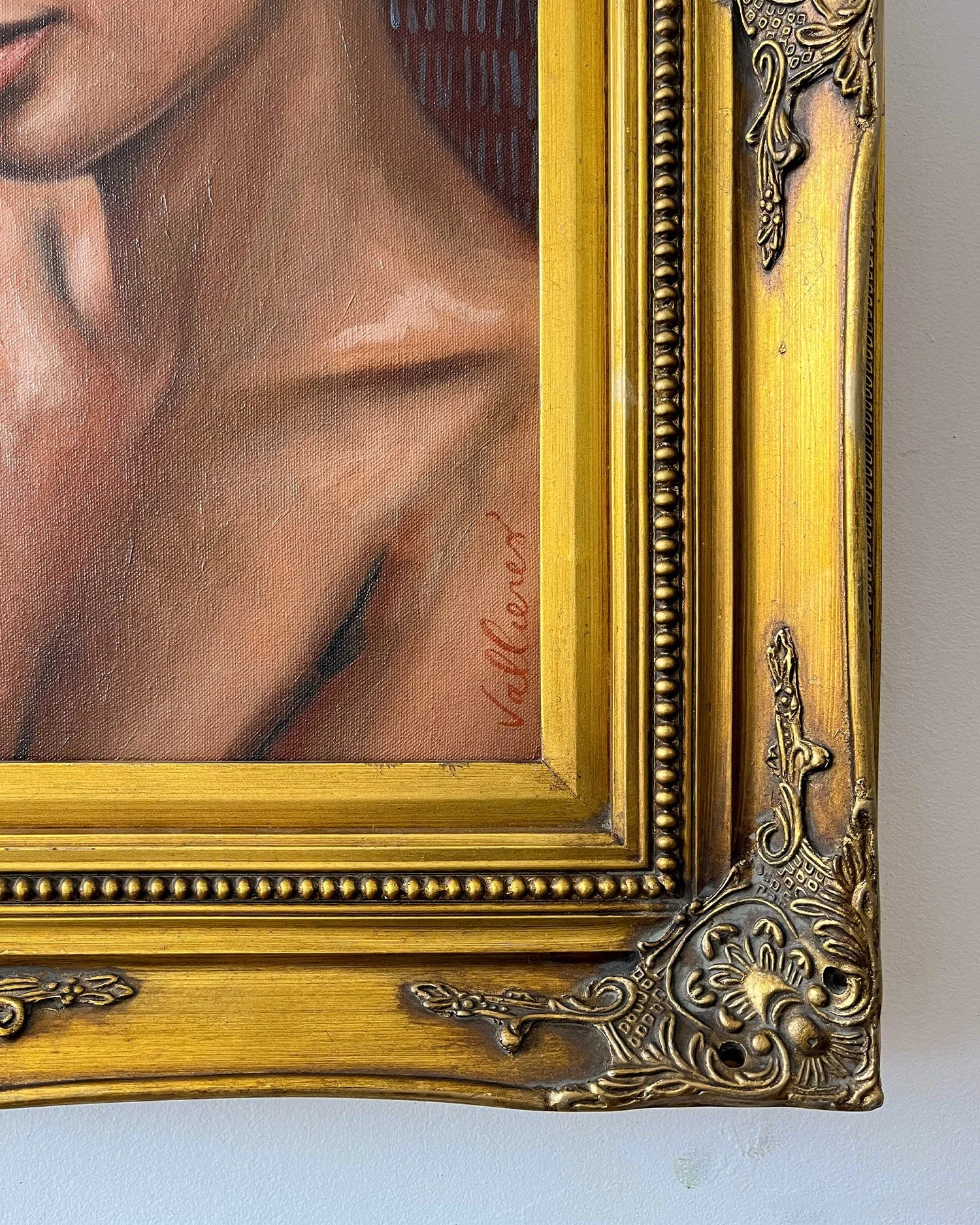
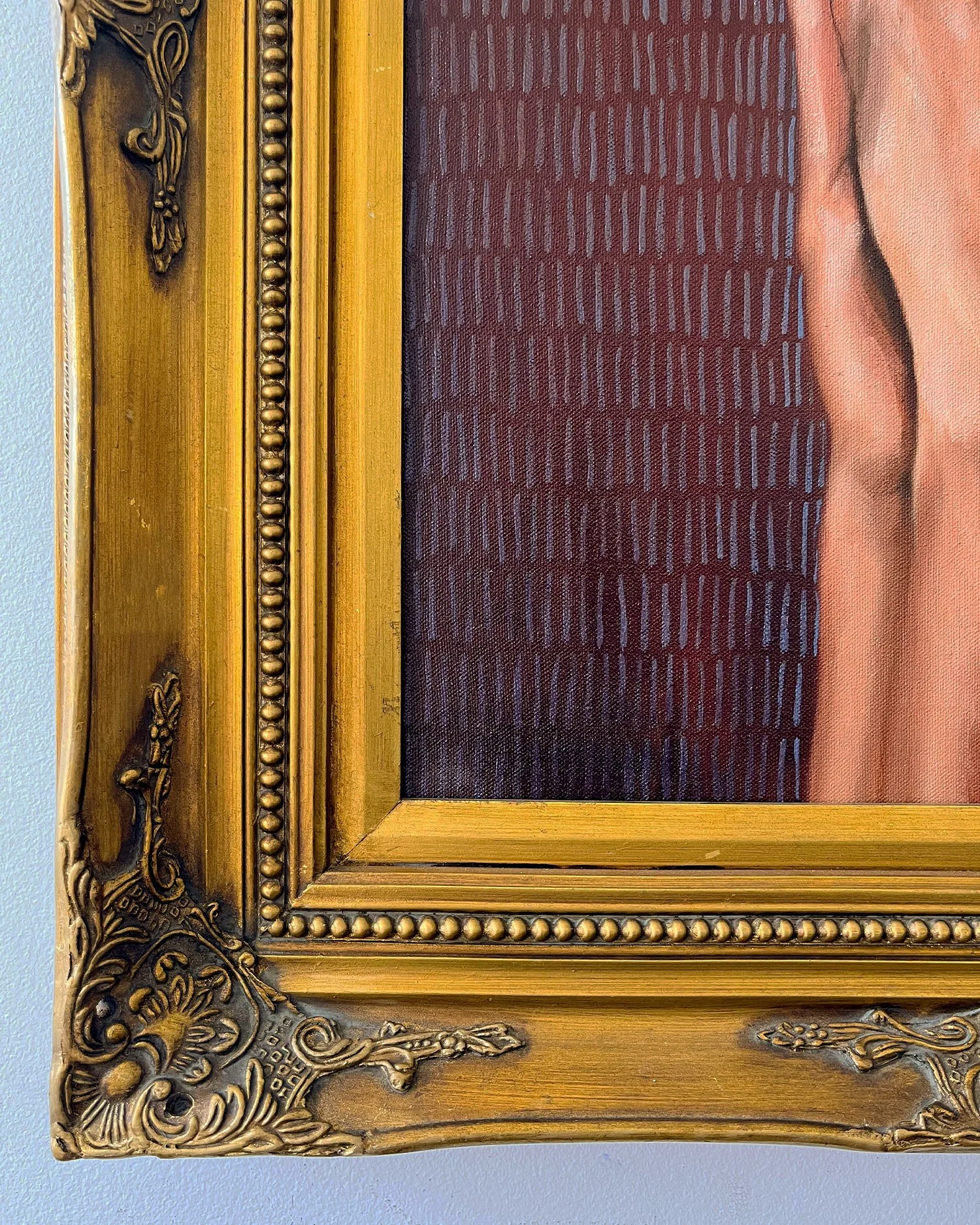
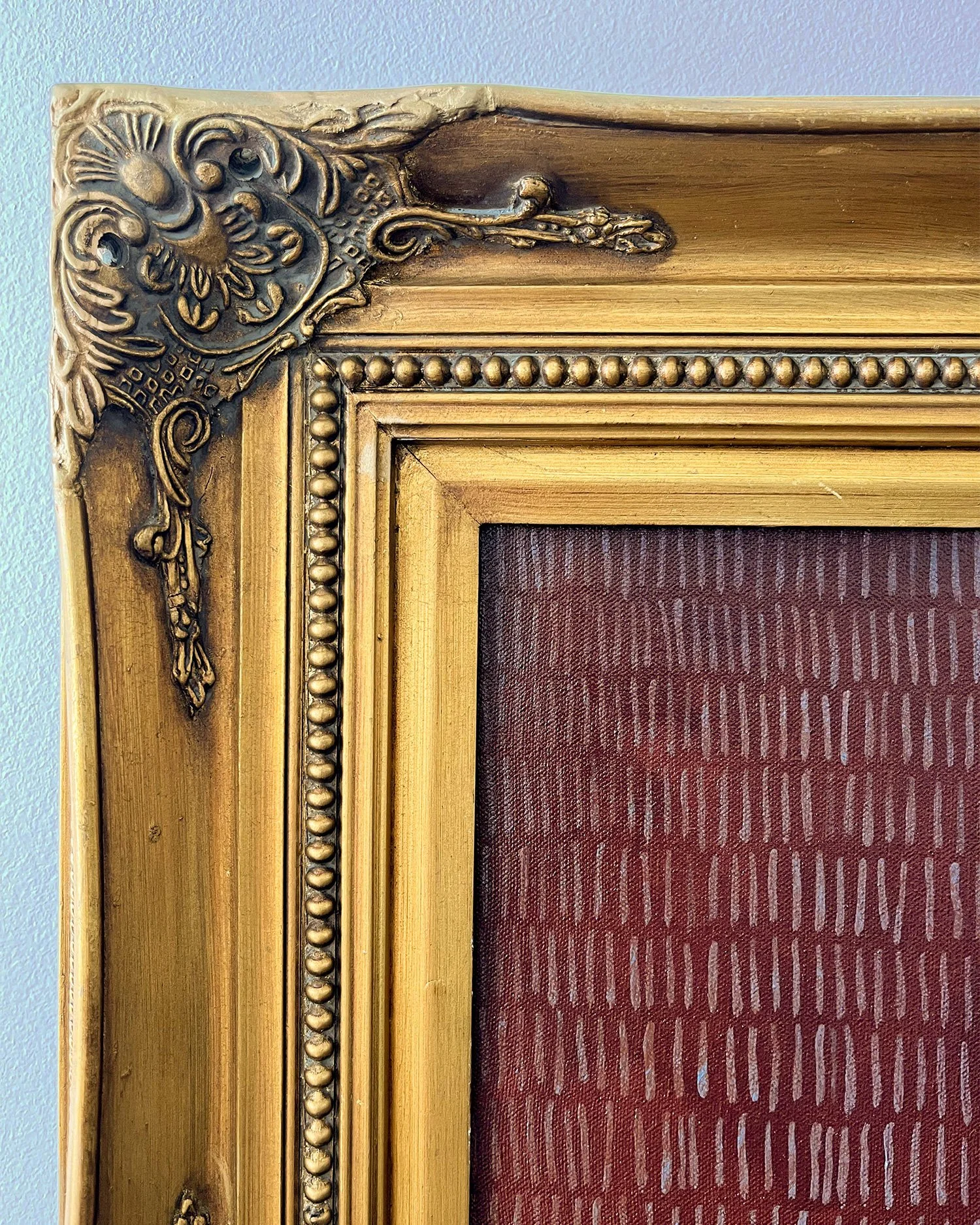
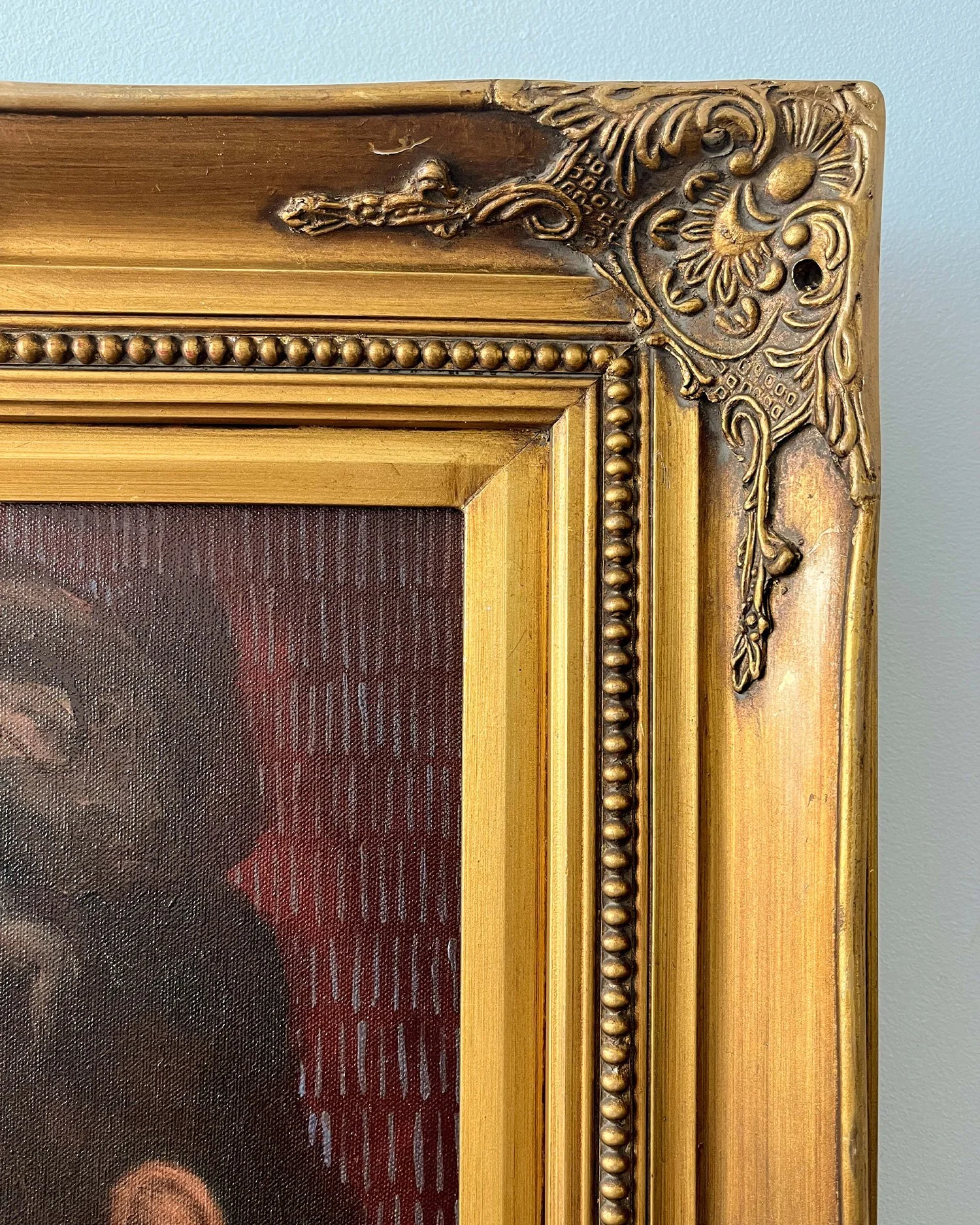
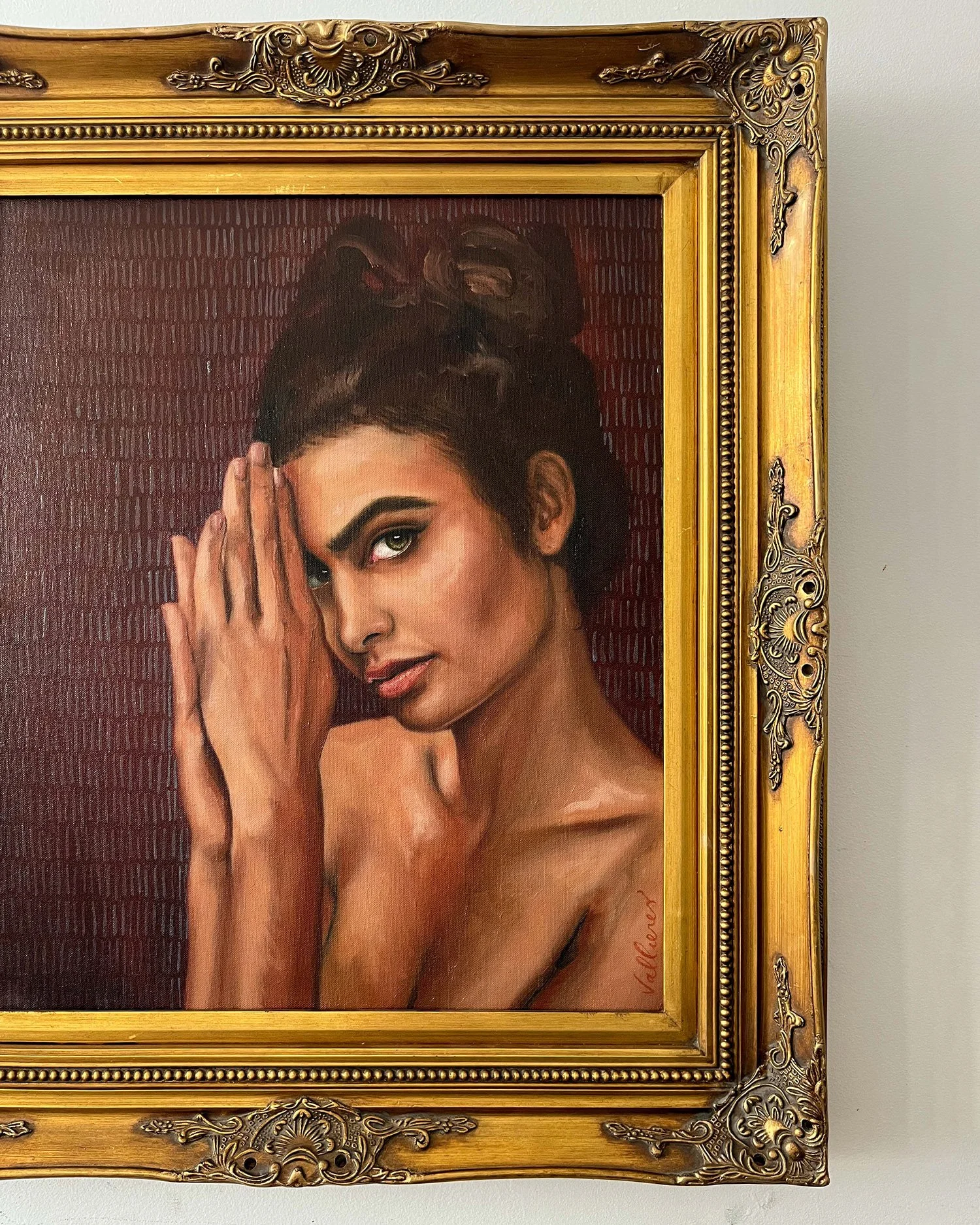
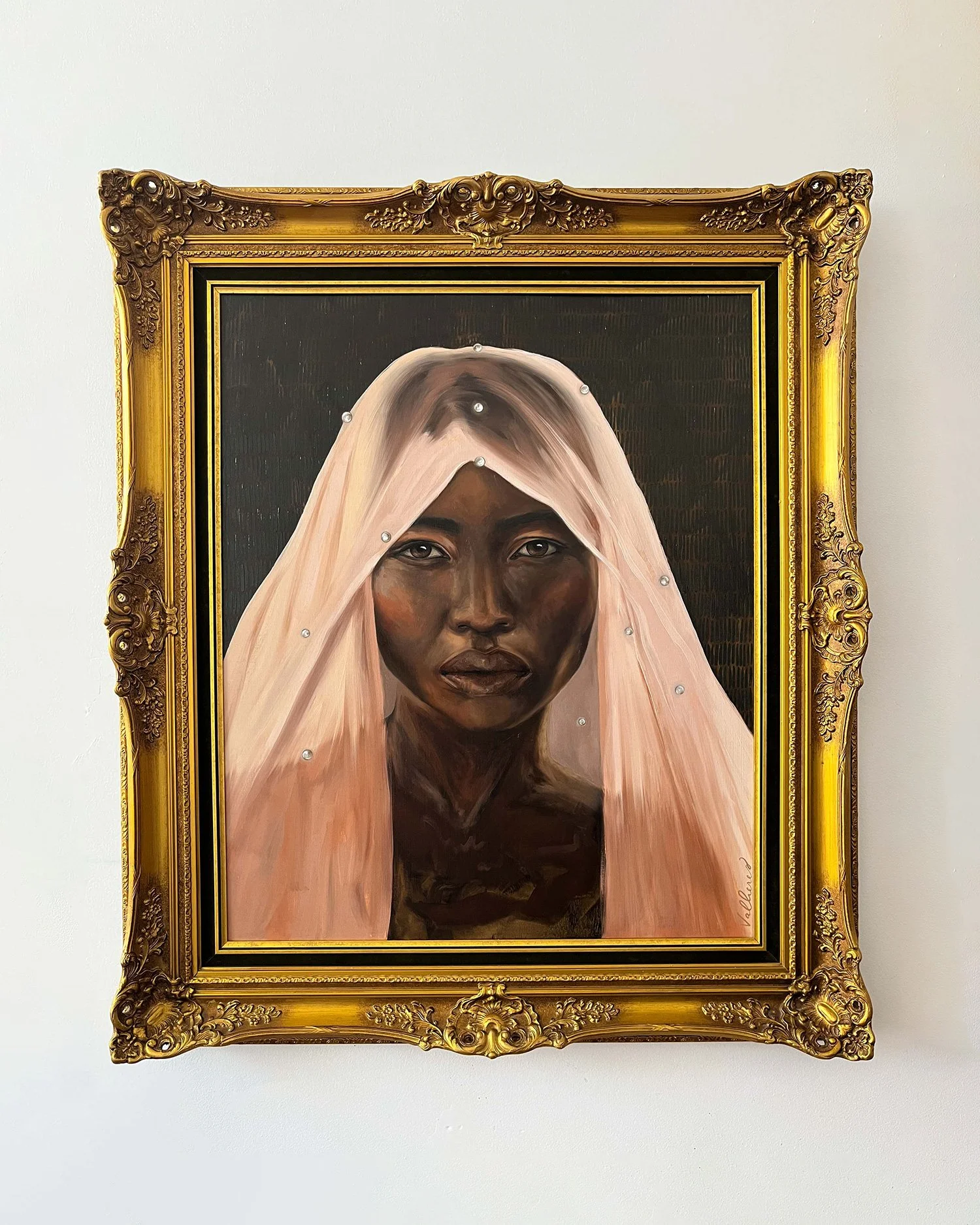
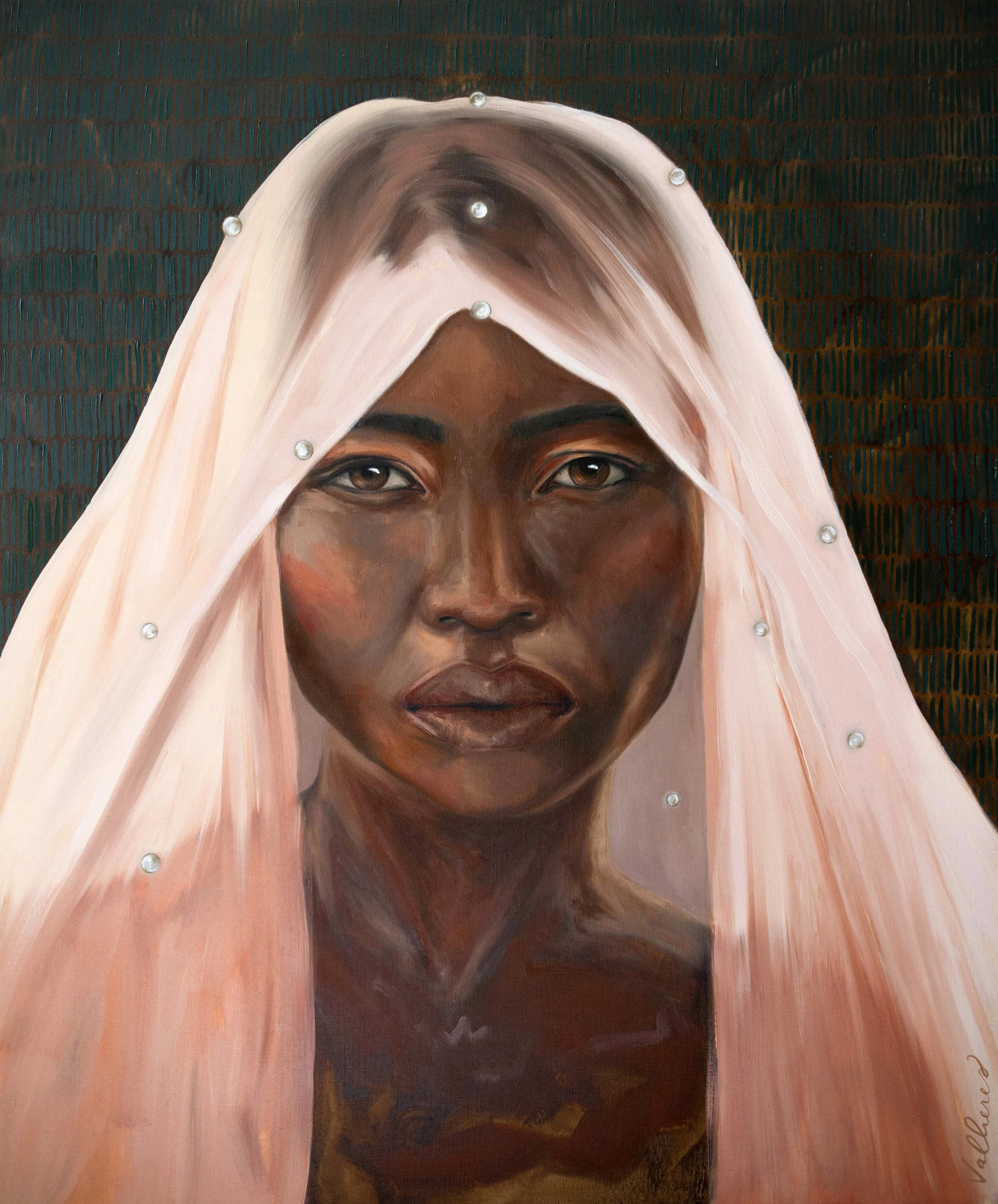
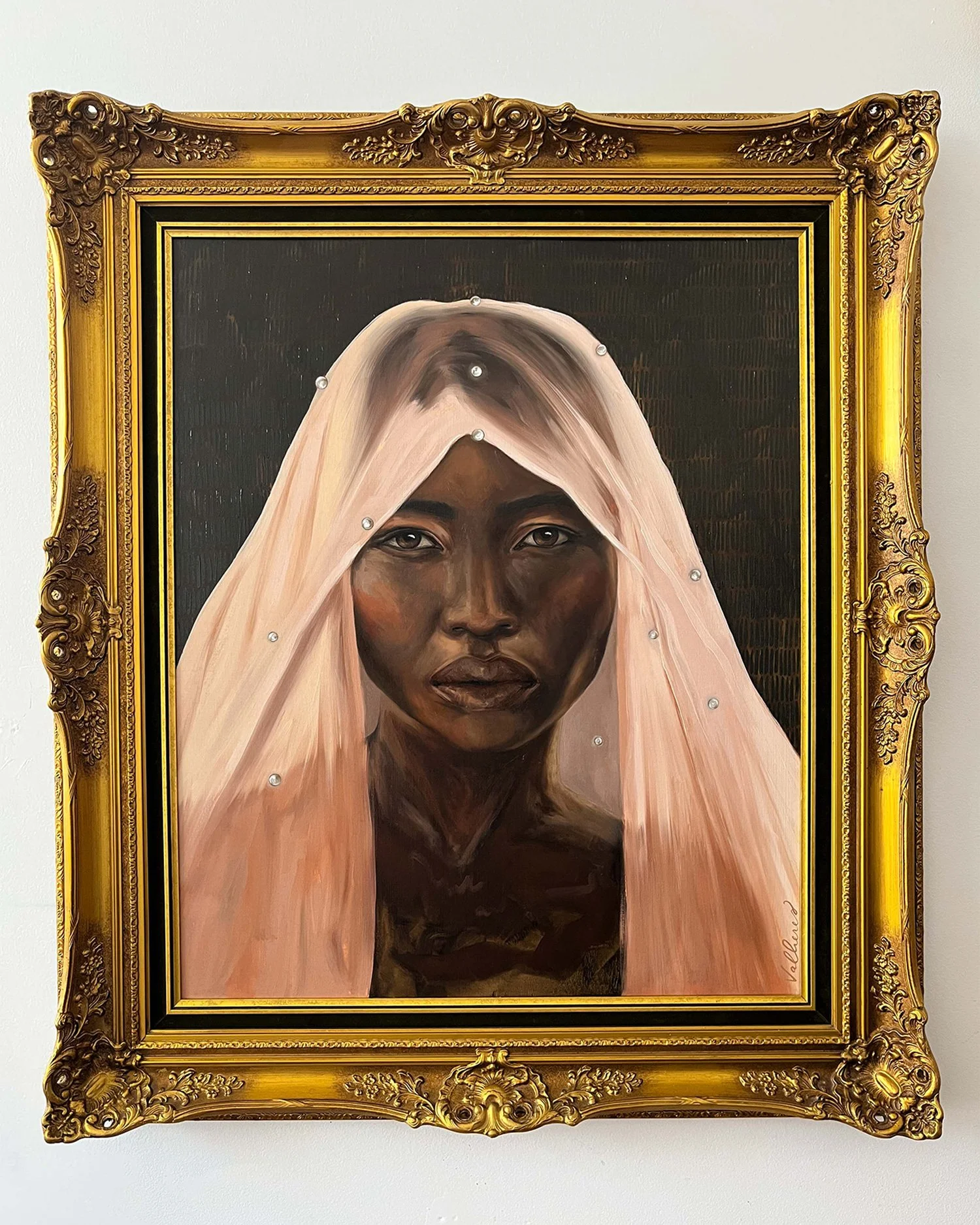
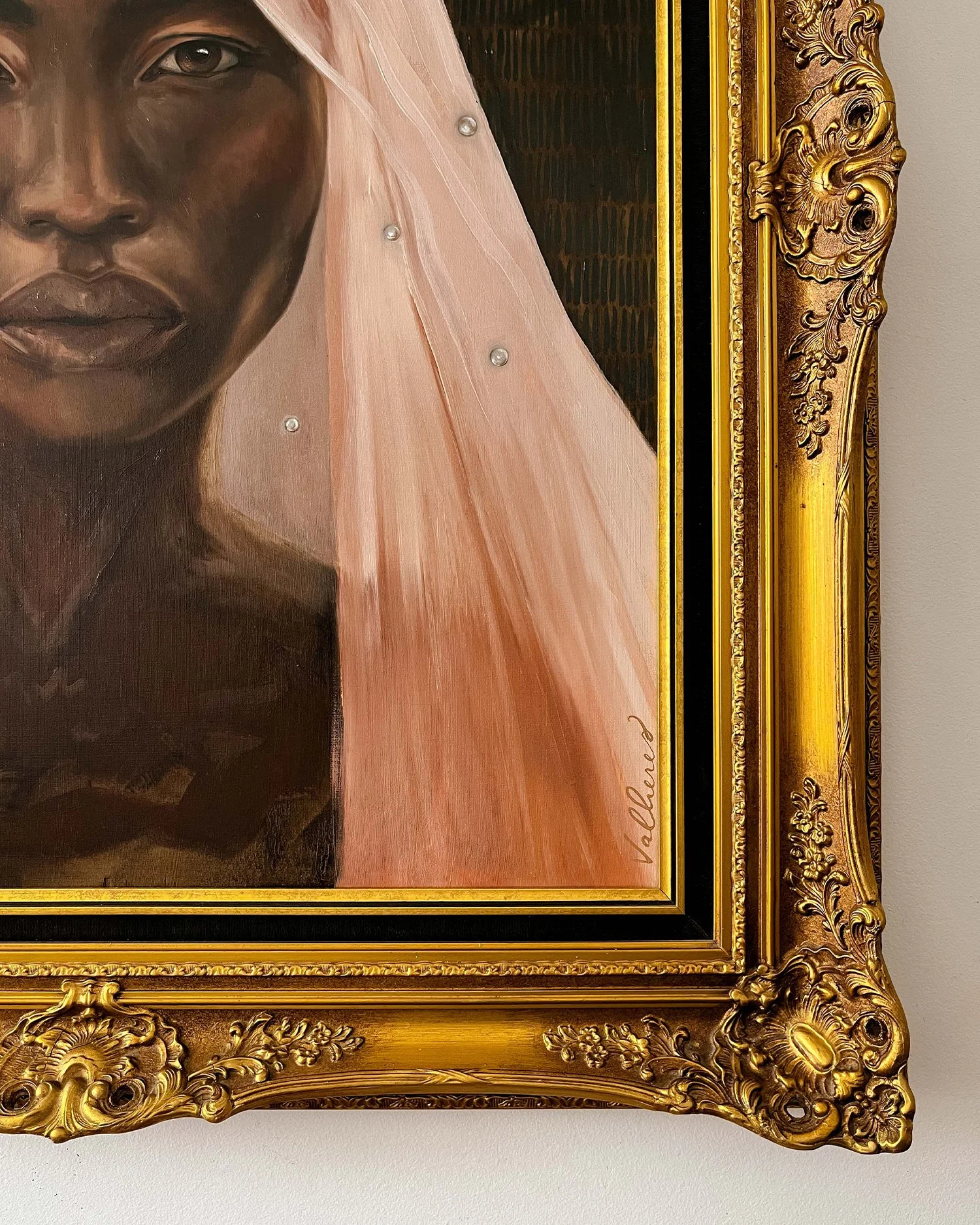
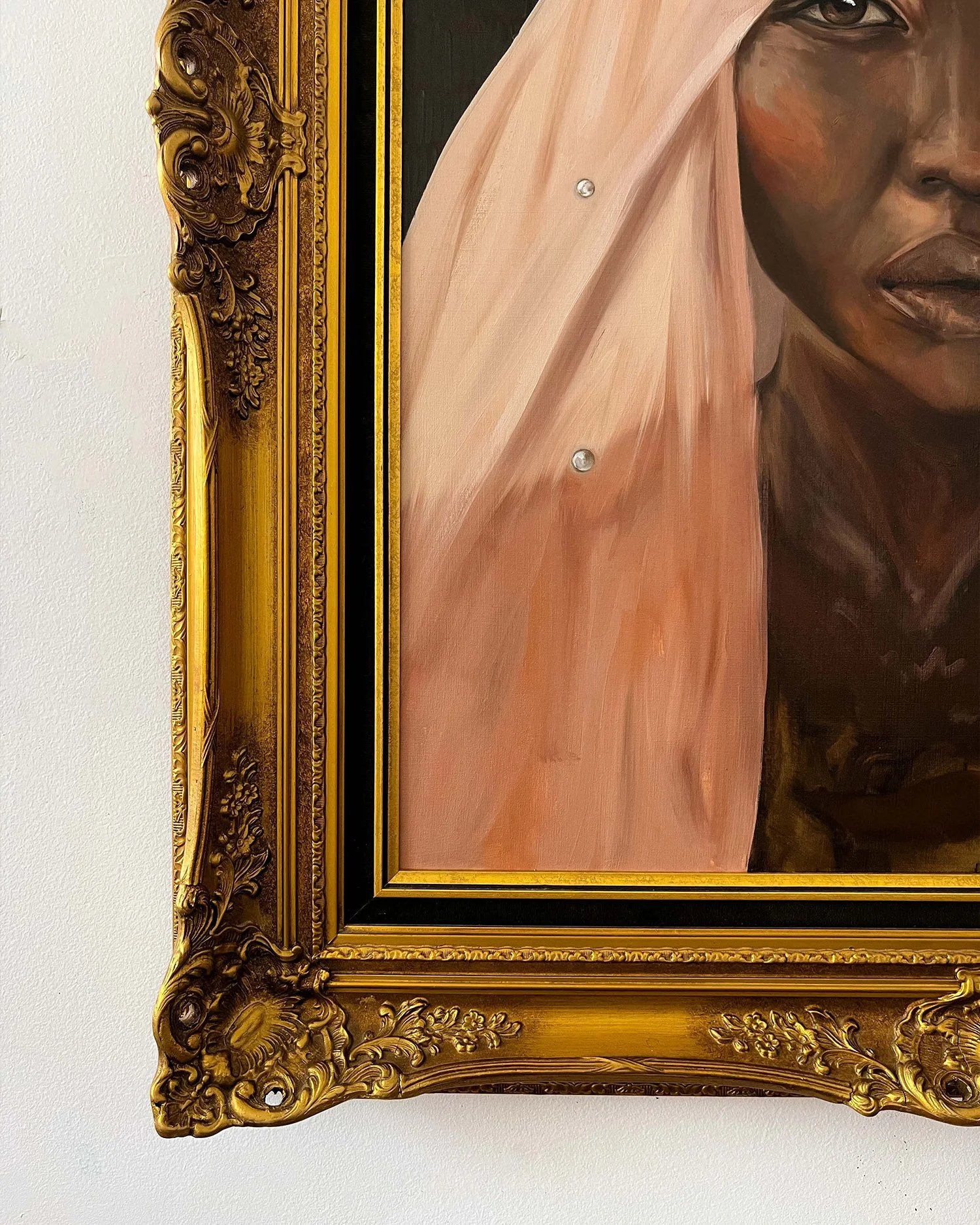
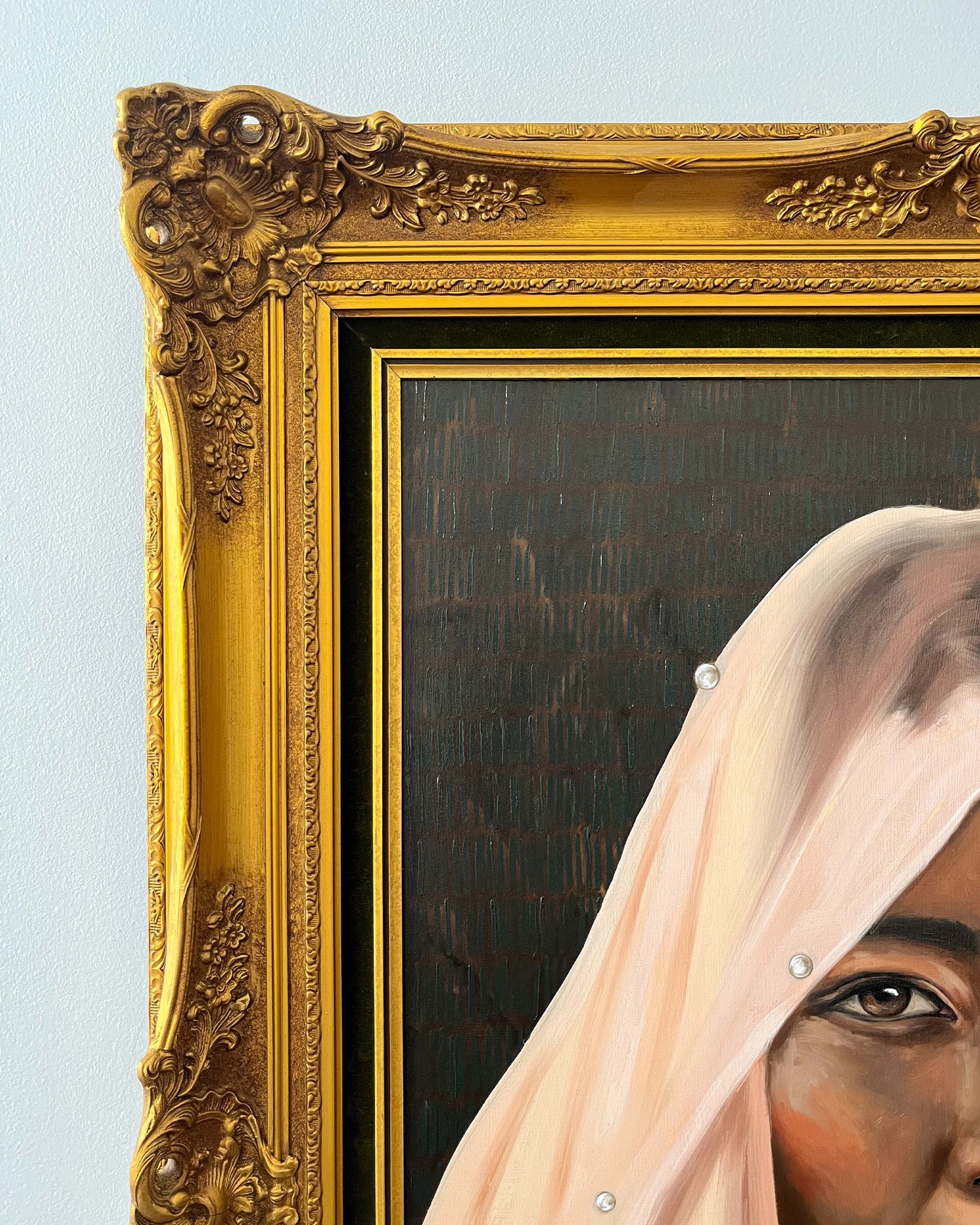
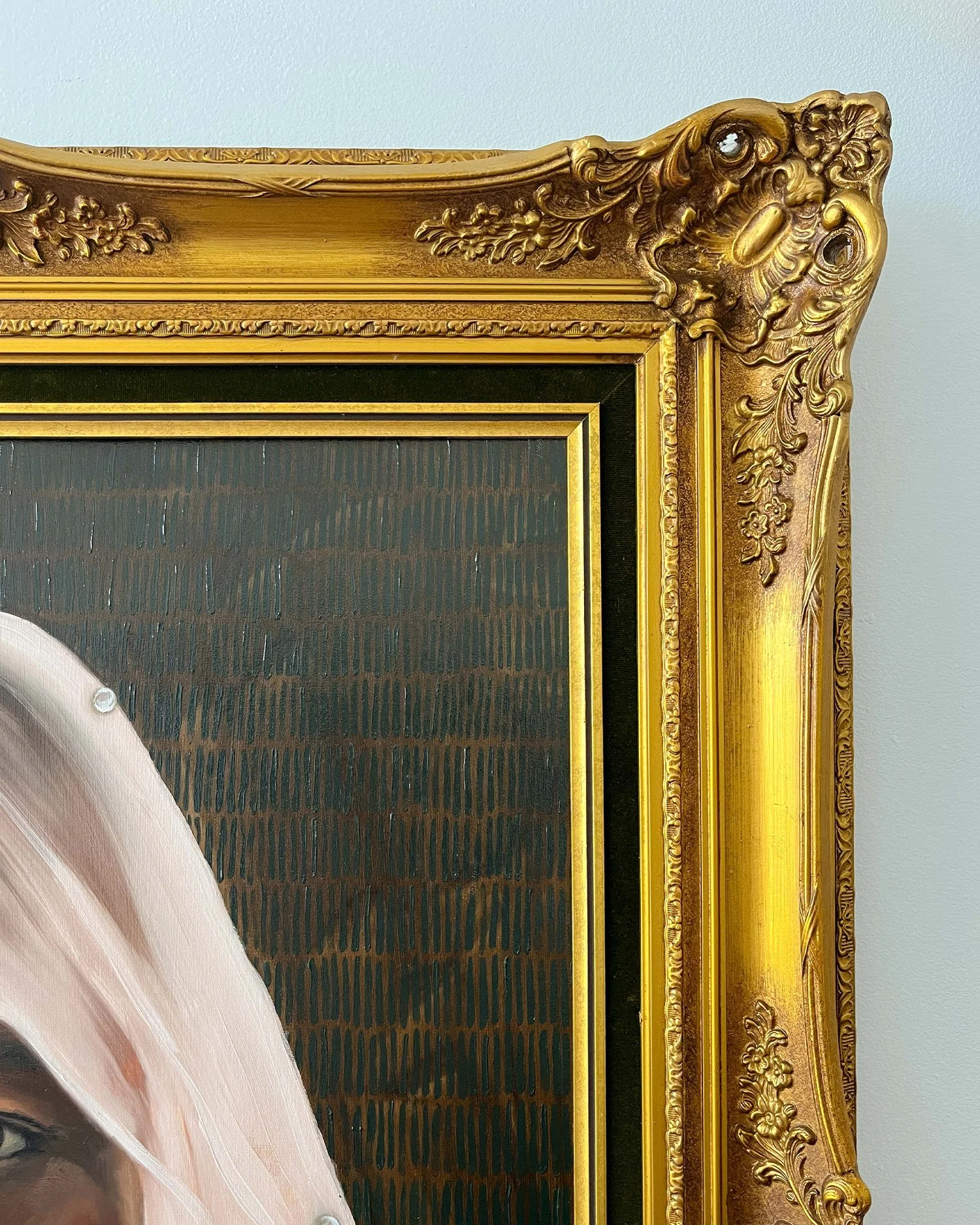
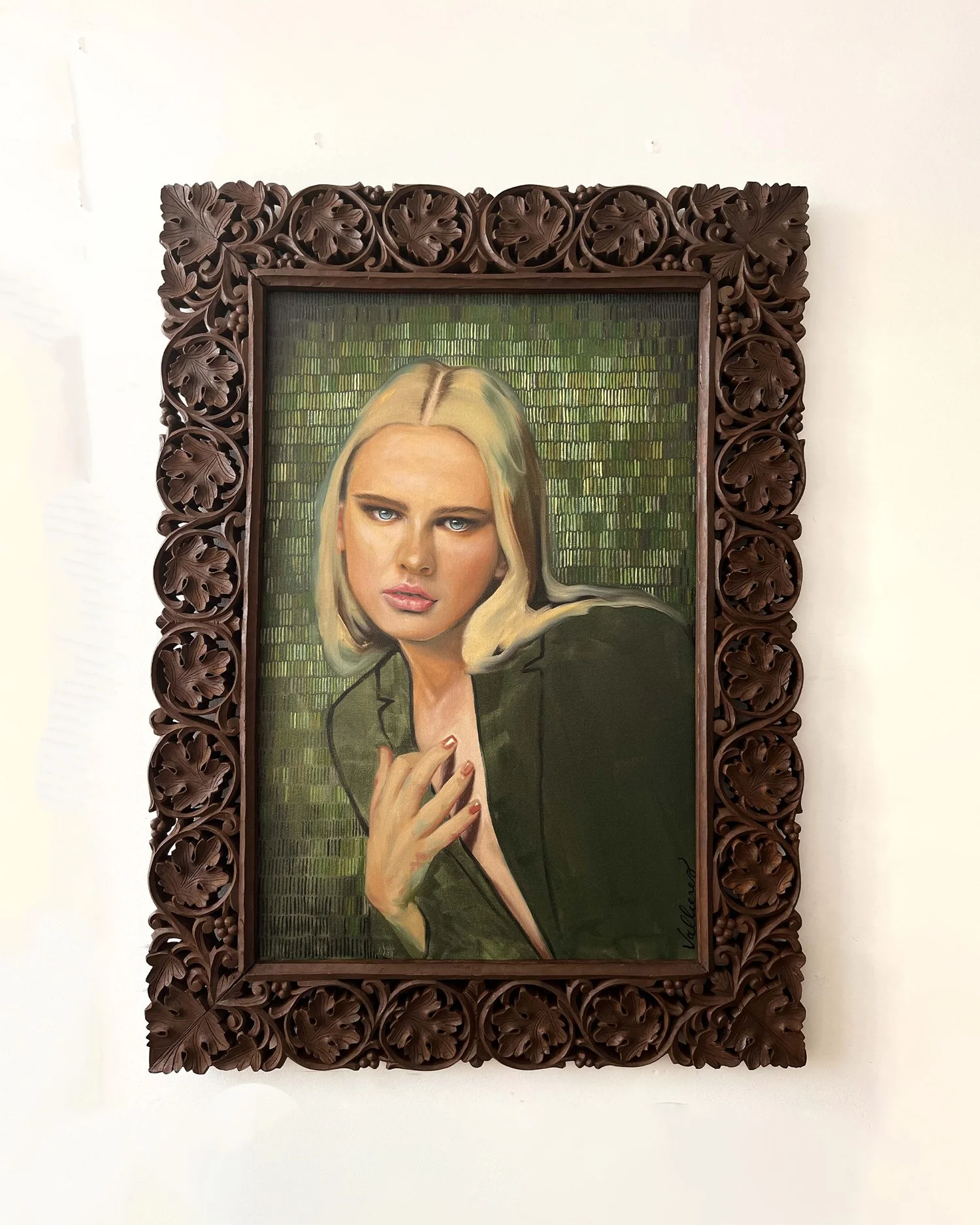
Eldest Daughter (after Eve)
I had a marvellous time ruining everything.
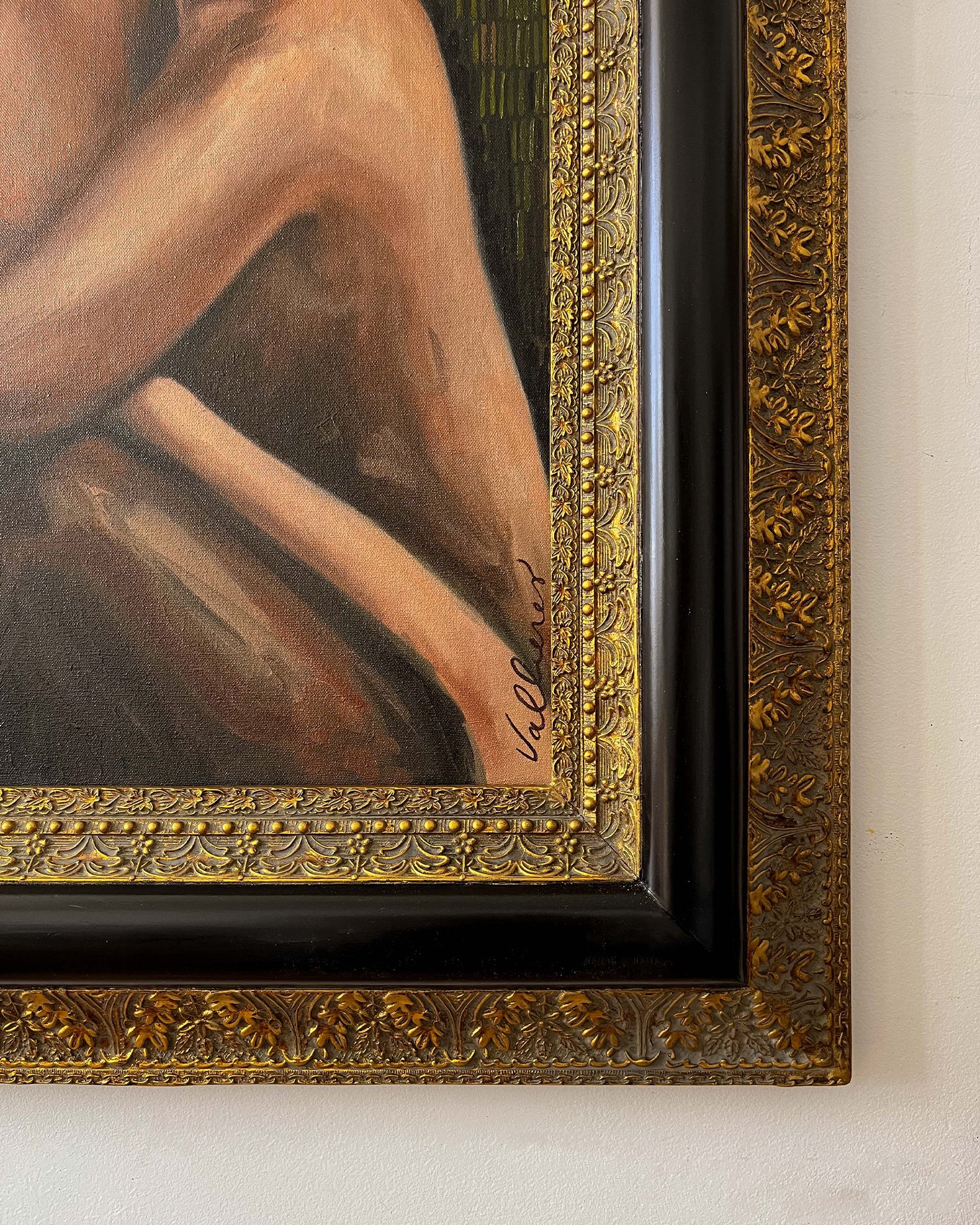
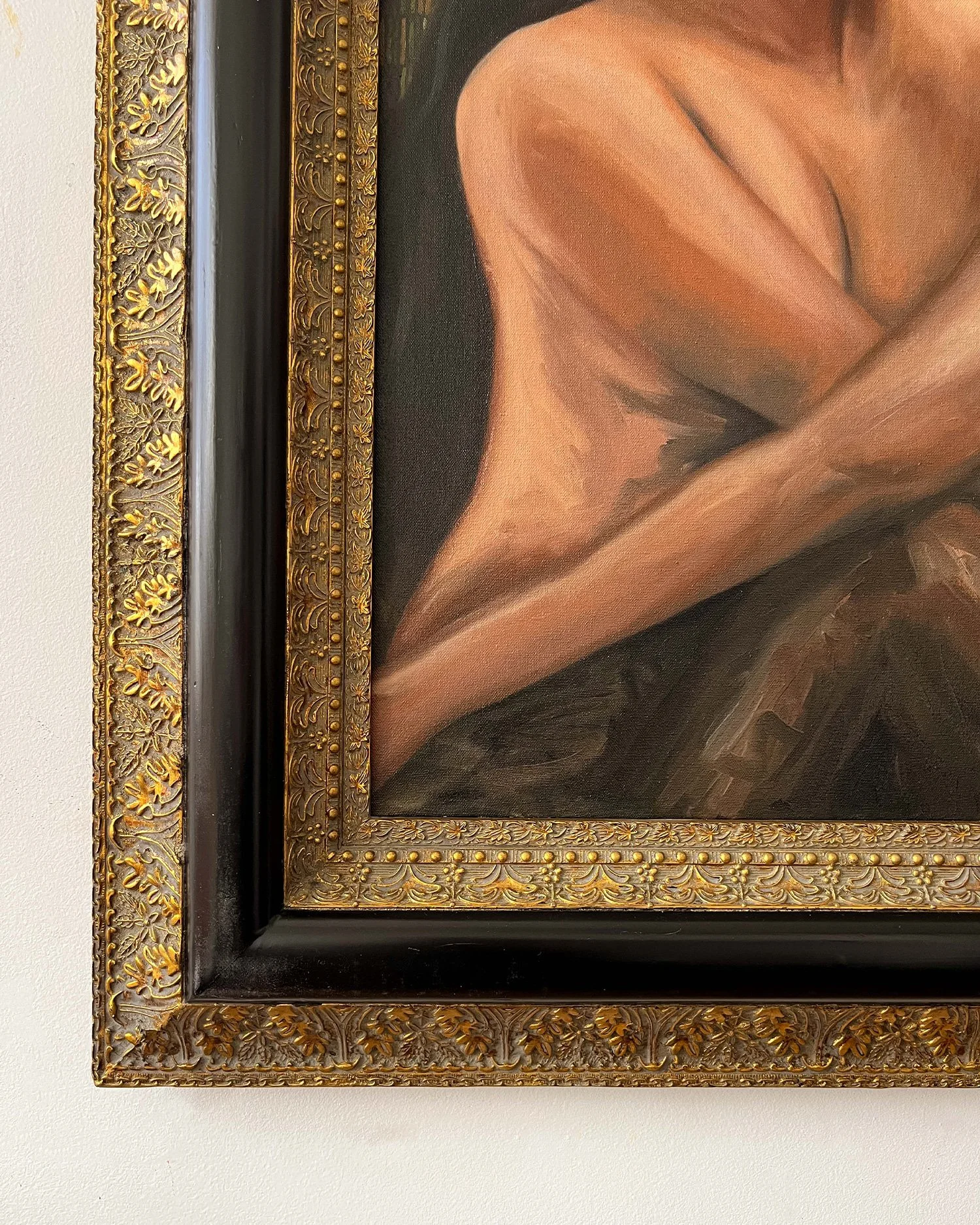
24 × 36 in | Oil on canvas | 2026 | Includes framing
Eve is often remembered as the origin of shame. In this portrait, she becomes the origin of consciousness.
As the eldest daughter, she carries what comes before and what follows (expectation, responsibility, blame), inheritances she never chose but must still bear.
And yet, she reaches. Toward knowledge. Toward desire. Toward selfhood.
What history called “the fall” becomes something else entirely: an awakening. A moment of courage disguised as disobedience.
Like every eldest daughter, she carries what was never meant to be hers: silence, duty, responsibility dressed as virtue. And still she chooses. Not because she was careless, but because she was brave enough to want more.
I had a marvellous time ruining everything.
24 × 36 in | Oil on canvas | 2026 | Includes framing
Eve is often remembered as the origin of shame. In this portrait, she becomes the origin of consciousness.
As the eldest daughter, she carries what comes before and what follows (expectation, responsibility, blame), inheritances she never chose but must still bear.
And yet, she reaches. Toward knowledge. Toward desire. Toward selfhood.
What history called “the fall” becomes something else entirely: an awakening. A moment of courage disguised as disobedience.
Like every eldest daughter, she carries what was never meant to be hers: silence, duty, responsibility dressed as virtue. And still she chooses. Not because she was careless, but because she was brave enough to want more.
About the Divine Outcast collection
Divine Outcast is a series of feminist portraits reimagining women from mythology, religion, and art history whose stories were distorted by fear, shame, or misunderstanding. Each painting restores their voice, presenting them not as symbols or warnings, but as powerful women reclaiming their own narratives.